Vinyl Siding vs. Fiber Cement vs. LP SmartSide: The North Texas Homeowner’s Complete Exterior Cladding Guide
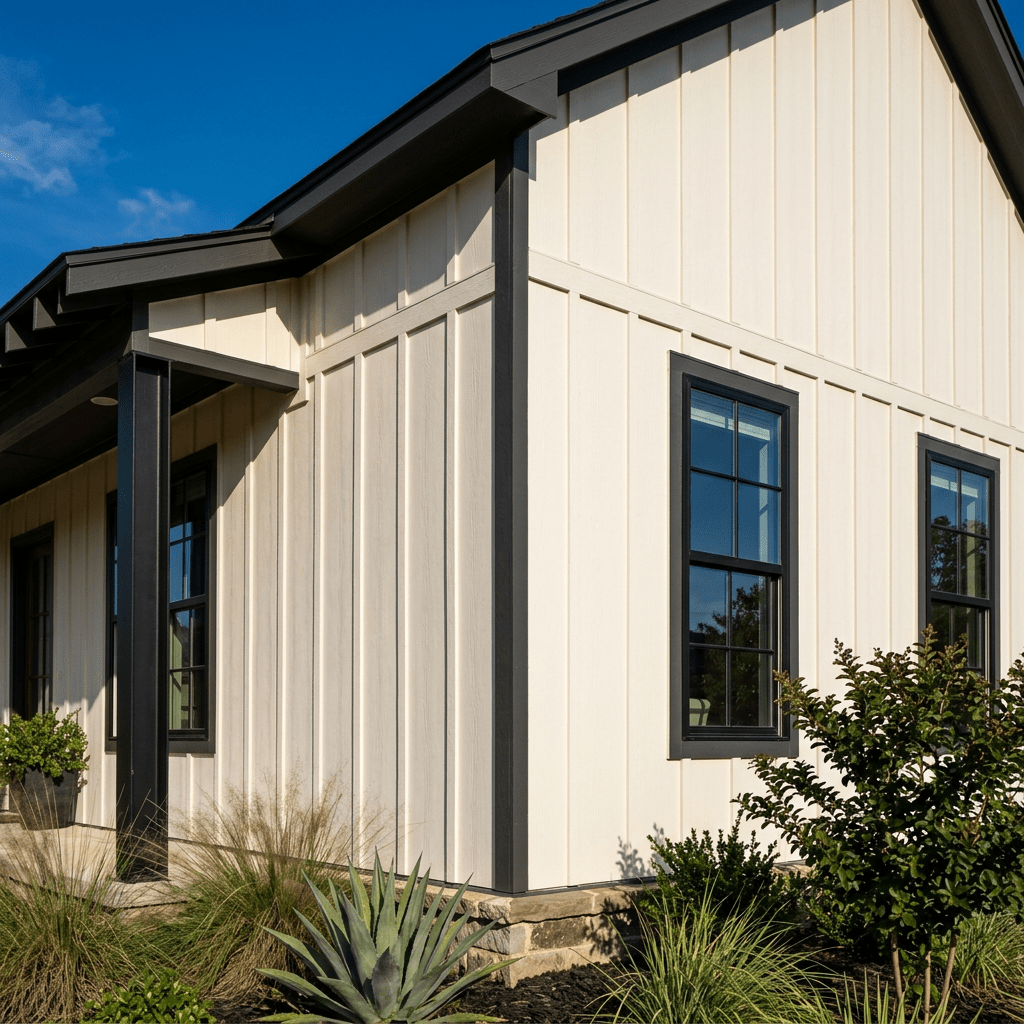
Your home’s exterior does more work than any other surface on the property. In North Texas, that means surviving 100-degree summers, UV radiation intense enough to fade paint in a single season, hailstorms that can demolish a wood deck overnight, and humidity swings that make lesser materials crack, warp, and rot. Choosing the wrong exterior cladding is one of the most expensive mistakes a Fort Worth-area homeowner can make — because you’ll be living with that decision for 20 to 40 years. This guide gives you an honest, side-by-side comparison of the most common exterior cladding options available in North Texas — vinyl siding, fiber cement, LP SmartSide, and metal — so you can make a confident, informed decision before you spend a dollar on installation. Why Your Exterior Cladding Choice Matters More in North Texas Than Almost Anywhere Else North Texas is genuinely one of the harshest environments in the country for exterior building materials. Here’s what your cladding has to survive: UV intensity. The Fort Worth area averages more than 230 sunny days per year. Ultraviolet radiation breaks down pigments, oxidizes surfaces, and degrades materials at a rate that homeowners in northern climates rarely experience. Thermal cycling. North Texas routinely swings from single-digit temperatures in a January ice storm to 108 degrees in August. That 100-degree swing expands and contracts exterior materials repeatedly — stressing seams, fasteners, and coatings year after year. Hail. Tarrant County sits in the heart of Hail Alley. Golf ball-sized hail that would make national news elsewhere is an almost annual occurrence here. Impact resistance is a real performance specification, not a marketing term. Moisture and humidity. While North Texas is semi-arid overall, spring storm seasons bring intense rainfall. The cycle of wet and dry — particularly with the region’s clay soils — creates conditions that accelerate rot in wood-based materials. Wind. The Fort Worth area regularly sees straight-line winds of 50–70 mph during storm events. Cladding systems that aren’t properly fastened and rated for wind loads can fail catastrophically. Option 1: Vinyl Siding Vinyl siding is the most widely installed exterior cladding in the United States, and it’s common throughout the Fort Worth area — particularly on production homes built in the 1980s through 2000s. How Vinyl Siding Works Vinyl siding is manufactured from PVC (polyvinyl chloride) and formed into horizontal or vertical panels that interlock and are nailed to the home’s sheathing. The color is integral to the material — it runs through the full thickness of the panel — which means minor scratches don’t expose a different substrate below. Pros of Vinyl Siding in North Texas Cost. Vinyl is the most affordable cladding option by a significant margin. Installed costs in the Fort Worth area typically run $4–$8 per square foot, making it accessible for homeowners with budget constraints. Low maintenance. Vinyl doesn’t require painting. Cleaning with a garden hose or pressure washer once or twice a year is all most homeowners ever do to maintain it. Moisture resistance. Vinyl doesn’t absorb water, doesn’t rot, and isn’t susceptible to termite or pest damage — meaningful advantages in a region with active termite pressure. Wide style selection. Modern vinyl siding is available in dozens of profiles (Dutch lap, beaded, board-and-batten, shakes) and hundreds of colors. Premium vinyl siding products convincingly mimic wood grain texture. Cons of Vinyl Siding in North Texas Hail vulnerability. Standard vinyl siding is susceptible to hail damage. A significant hail event can crack, dent, or shatter panels — and matching replacement panels to aged, sun-faded existing siding is notoriously difficult. Impact-resistant vinyl products exist but cost significantly more. Thermal expansion. Vinyl expands and contracts significantly with temperature changes. In North Texas’s extreme thermal range, improperly installed vinyl siding can buckle, warp, or pull away from the structure. Installation quality is critical. Heat absorption. Dark-colored vinyl siding in direct afternoon sun can reach surface temperatures of 160–180°F in North Texas summers, which can cause softening and distortion. Lighter colors significantly mitigate this. Perceived quality ceiling. In the higher-end North Texas custom home market, vinyl siding is often seen as a limiting factor on resale appeal. Buyers comparing custom homes at the $500,000+ price point increasingly expect fiber cement or engineered wood. Typical lifespan in North Texas: 20–30 years with quality installation. Option 2: Fiber Cement Siding (James Hardie and Competitors) Fiber cement siding — most commonly associated with the James Hardie brand — has become the dominant premium cladding choice in the Fort Worth area over the past 15 years, and for good reason. How Fiber Cement Works Fiber cement is manufactured from a composite of Portland cement, sand, and cellulose fibers. It’s formed into boards, panels, or shingles that are primed and factory-painted (or field-painted after installation). The result is a material that looks remarkably like wood but has the durability of a cement-based product. Pros of Fiber Cement in North Texas Impact resistance. Fiber cement handles hail significantly better than vinyl. It doesn’t crack or shatter under impact loads that would destroy vinyl panels — a meaningful advantage in Tarrant County. Fire resistance. Cement doesn’t burn. Fiber cement siding is non-combustible, which can reduce homeowner’s insurance premiums and provides genuine protection in fire events. Dimensional stability. Fiber cement expands and contracts much less than vinyl with temperature changes — important in North Texas’s extreme thermal range. Aesthetics and curb appeal. Factory-primed and painted fiber cement products achieve a painted-wood look that vinyl can’t fully replicate. At the higher end of the custom home market, fiber cement is the standard expectation. Paint longevity. Quality fiber cement paint systems carry 15-year finish warranties. The surface accepts paint exceptionally well for future repaints. Cons of Fiber Cement in North Texas Cost. Fiber cement installed in Fort Worth typically runs $8–$14 per square foot — roughly double vinyl’s cost. Weight. Fiber cement is heavy — roughly 2.5 pounds per square foot. This is a structural and logistics consideration for installation crews. Moisture management at cut edges. Fiber cement must be