Backyard Guest House in Fort Worth: What It Costs, What’s Allowed, and How to Build One You’ll Actually Love
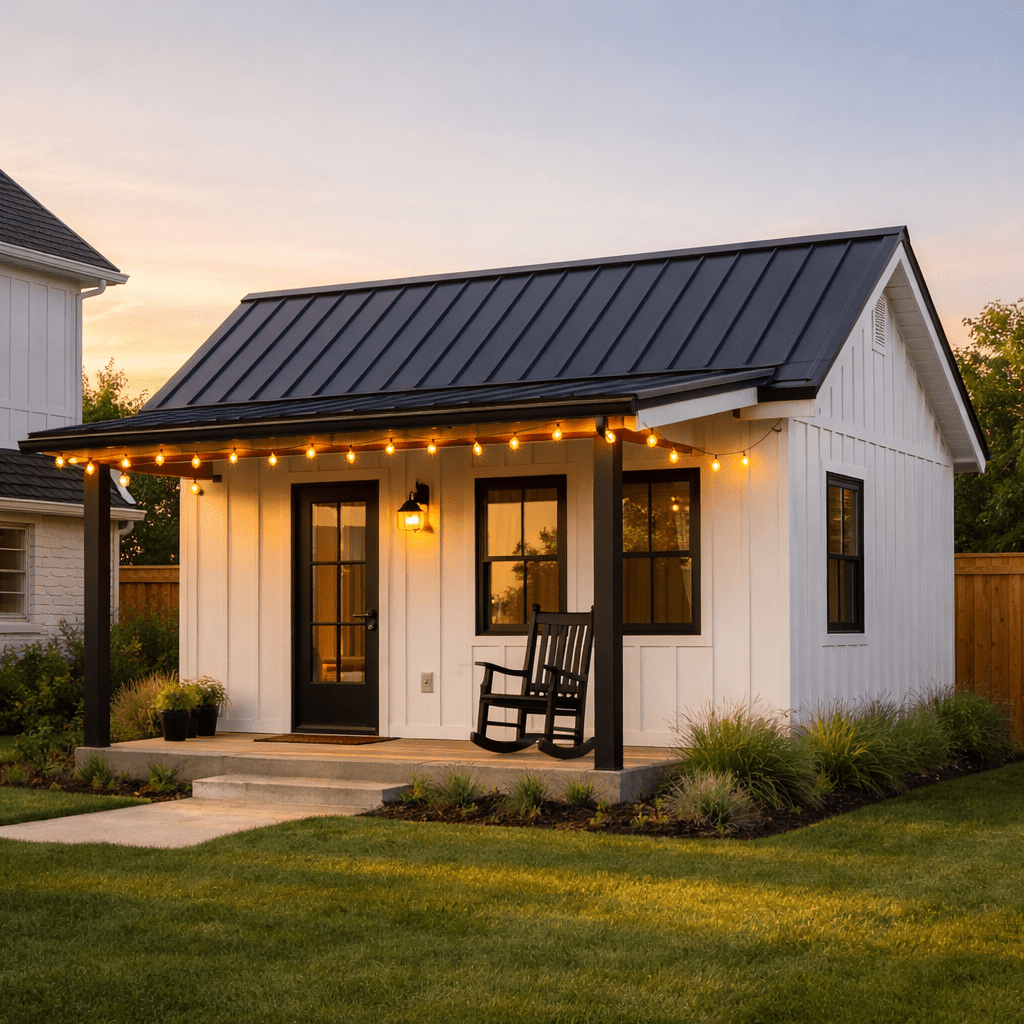
There’s a reason backyard guest houses are one of the most-searched construction topics in North Texas right now. The lifestyle case is almost impossible to argue with: a private, fully functional space steps from your back door that can serve as a guest suite, a parent’s retreat, a teenager’s private space, a home office that actually feels like going to work, or a short-term rental that generates income while you sleep. The question isn’t whether a backyard guest house is a good idea. The question is: what kind should you build, what will it actually cost in the Fort Worth market, and what do you need to know about permits and regulations before you commit? This guide answers all of it. What Is a Backyard Guest House? Defining the Options “Backyard guest house” covers a broad range of structures, and the differences matter for permitting, financing, and long-term use. Here’s how to think about the options: Detached ADU (Accessory Dwelling Unit) A fully self-contained living unit on your property with its own kitchen, bathroom, sleeping area, and separate entrance. This is the most versatile and most valuable option — it can serve any use case, qualifies as rentable space, and adds the most to your property’s appraised value. It’s also the most regulated and most expensive to build. We’ve covered the full ADU vs. garage conversion decision in detail in our Texas homeowner’s guide to ADUs and garage conversions. Guest Suite / Casita A detached structure with a bedroom, bathroom, and sitting area — but without a full kitchen. In many municipalities, the absence of a full kitchen changes how the structure is classified and permitted, which can simplify the approval process. A casita-style guest suite is ideal for families hosting guests, parents visiting long-term, or adult children returning home. Studio / She-Shed / He-Shed A finished, climate-controlled outbuilding used as a personal retreat, creative studio, home office, or hobby space. These structures may or may not include plumbing — a dedicated artist’s studio or home gym doesn’t need a bathroom, but a backyard office benefits enormously from one. These tend to be the fastest to permit and least expensive to build because they carry fewer residential occupancy requirements. Tiny Home (Detached) A complete small home — typically 400 square feet or less — built on a permanent foundation on your property. Tiny homes built as permanent structures are subject to the same residential building codes as full-size homes. This is distinct from tiny homes on wheels (THOWs), which are classified as RVs and cannot be used as permanent residences on residential lots in most Texas municipalities. How Much Does a Backyard Guest House Cost in North Texas? Here are realistic cost ranges for the Fort Worth and Tarrant County market: Structure Type Typical Size Estimated Cost Range Basic studio / office (no plumbing) 200–400 sq ft $30,000–$65,000 Studio with bathroom 300–500 sq ft $55,000–$95,000 Guest casita (bed + bath + sitting) 400–700 sq ft $80,000–$150,000 Full ADU (kitchen + bed + bath) 500–800 sq ft $120,000–$220,000 Detached tiny home (finished) 300–600 sq ft $90,000–$175,000 These are installed costs including foundation, framing, insulation, mechanical systems, and interior finishes. They do not include utility extension costs, which vary significantly based on how far from your home’s existing utility connections the new structure sits. The Biggest Cost Variables Utility connections. If your backyard guest house needs its own electrical service panel, water supply, and sewer connection, the cost of trenching and connecting those utilities can add $8,000–$25,000+ depending on distance from existing connections and whether city sewer is available or septic is required. Septic system. If your property isn’t served by city sewer — common in unincorporated Tarrant County, Parker County, and rural areas around Azle — adding a separate structure that includes plumbing fixtures may require a new or expanded septic system. Septic additions in North Texas typically cost $8,000–$20,000 depending on system type and soil conditions. Foundation type. Post-tension slabs are generally recommended in North Texas given expansive clay soils. Pier and beam foundations are sometimes used for smaller structures and can reduce upfront cost but require adequate ventilation and maintenance access. Finish level. A guest suite finished with LVP flooring, quartz countertops, custom tile shower, and mini-split HVAC costs significantly more than the same square footage with builder-grade vinyl plank, standard fixtures, and a window unit. The finish level also determines long-term desirability — for rental income purposes, quality finishes pay back quickly. Permits and Regulations for Backyard Guest Houses in the Fort Worth Area This is where many North Texas homeowners hit their first serious obstacle, and it’s worth understanding clearly before you fall in love with a floor plan. Inside Fort Worth City Limits The City of Fort Worth regulates ADUs and accessory structures under its Unified Development Code. Key points: Inside Azle City Limits The City of Azle follows a similar framework. Accessory structures require building permits, must comply with setback requirements from property lines and the primary structure, and face height and footprint limitations. Contact the City of Azle Building Department for current specific requirements before finalizing your plan. Unincorporated Tarrant County Tarrant County does not enforce residential building codes in unincorporated areas. However, this freedom comes with important caveats: your lender and insurer still expect code compliance, septic permits are always required through the appropriate county authority, and any future sale of the property may be complicated by unpermitted structures. HOA Deed Restrictions This is the most commonly overlooked constraint. Many planned communities throughout Fort Worth, Keller, Southlake, and surrounding areas have deed restrictions that explicitly prohibit detached living structures, limit accessory building size and height, require architectural compatibility with the main home, or restrict rental activity. Review your deed and HOA covenants carefully — these are legally enforceable and supersede your personal preferences. ETJ Considerations If your property sits in a city’s Extraterritorial Jurisdiction, that city’s regulations may apply even if you’re technically outside city limits. Always verify your specific property’s regulatory