Multigenerational Home Design in North Texas: Building a Home That Works for the Whole Family
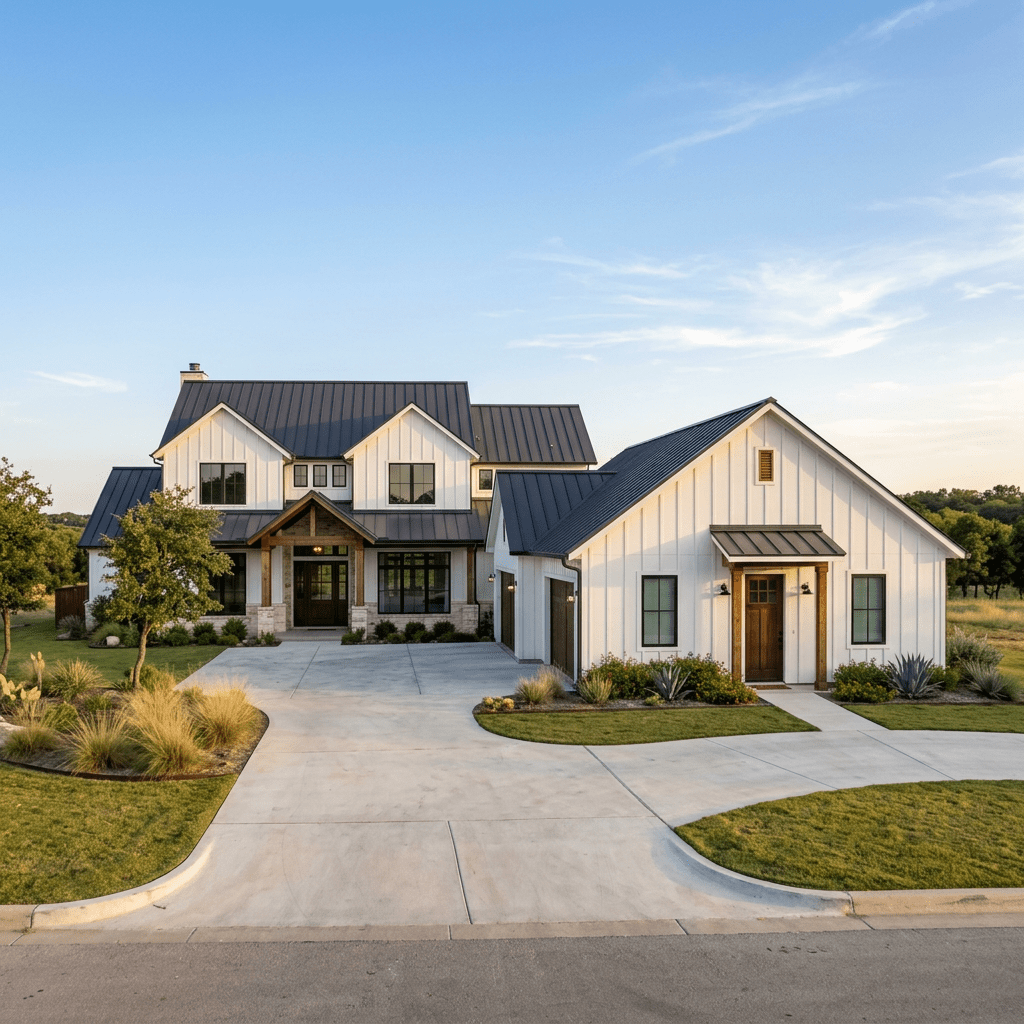
There is a conversation happening at kitchen tables across Fort Worth, Azle, and Parker County right now. It sounds something like this: “Mom is getting to the point where she should not be living alone. We want her close – but we also need our own space. What are our options?” Or this version: “Our son just finished school. Housing is expensive. He wants to come home for a couple of years, save money, get on his feet. How do we make that work without everyone driving each other crazy?” Multigenerational living is no longer a trend confined to a specific culture or income bracket. According to U.S. Census Bureau data, multigenerational households have increased significantly over the past two decades, driven by aging demographics, housing affordability pressures, and a genuine shift in how American families think about proximity and caregiving. In North Texas, the appeal of keeping generations close is especially strong – and what makes this market uniquely positioned is that the land, the space, and the building culture here actually support multigenerational solutions that are not available in denser urban markets. You have real options. The question is which option fits your family, your property, and your budget. What Is a Multigenerational Home? A multigenerational home is a residence intentionally designed to house two or more generations of a family simultaneously. This can take several forms: a modified floor plan with a dedicated in-law suite built inside the main home structure, a fully detached accessory dwelling unit (ADU) on the same property, or a completely custom-designed home built from the ground up with two distinct living areas deliberately integrated. The defining characteristic is intention. A multigenerational home is designed to balance proximity with privacy, shared common spaces with independent living, and present needs with future flexibility. Why North Texas Families Are Choosing Multigenerational Living Aging parents. The average cost of assisted living in Texas runs $3,500 to $6,000 or more per month, and memory care costs even more. A multigenerational home solution that lets a parent live safely on the same property – close to family and in a space designed for their needs – can save hundreds of thousands of dollars over a decade while preserving independence and connection. Adult children returning home. Housing affordability is a real challenge for young adults in the Fort Worth market. The arrangement works well when the right space is built – one that gives everyone genuine independence rather than forcing uncomfortable proximity. Remote work geography shifts. When geography no longer determines where you work, the calculus of living near family changes. Families who previously lived across the country are now building together on shared North Texas property. Cultural and personal values. Many families across a wide range of backgrounds simply prefer keeping generations close. For these families, multigenerational living is not a compromise – it is the preferred arrangement. Financial efficiency. Shared property taxes, maintenance costs, and utilities across multiple generations can make homeownership meaningfully more affordable for everyone involved. Your Four Main Options for Multigenerational Living in North Texas Option 1: In-Law Suite Within the Main Home This approach adds a private living area inside the footprint of the primary home – typically a bedroom suite with its own bathroom, a small sitting area, and sometimes a kitchenette. The suite may share a connecting door with the main home, have a private exterior entrance, or both. This is the most budget-friendly multigenerational option and works well for aging parents who need proximity and some support but still value privacy. The tradeoff is that an in-home suite offers less acoustic separation and less true independence than a detached structure. Key design elements that make an in-law suite genuinely livable: Typical cost range in North Texas: $80,000 to $180,000 depending on size and finish level. Option 2: Detached ADU or Guest House A fully independent living structure on the same property. This delivers maximum privacy for both generations while keeping family within a short walk. A well-designed detached ADU can include a full kitchen, its own HVAC system, dedicated utilities, and a layout that functions as a complete small home. If the family arrangement changes over time, the structure can serve as a long-term rental unit, a home office, or a guest house – it retains value and utility regardless of who is using it. Our guide on ADUs and garage conversions for Texas homeowners covers the full decision framework for detached structures. Typical cost range: $100,000 to $220,000 for a fully appointed detached ADU in the Fort Worth area. Option 3: Custom Multigenerational Home Design For families building from the ground up, designing a custom home specifically for multigenerational living is the most intentional and most effective approach. A properly designed multigenerational home incorporates two complete living areas – sometimes called a dual-living or dual-suite configuration – connected by shared common spaces that both households can use without feeling like they are constantly in each other’s territory. Typical features of a purpose-built multigenerational custom home include: The advantage of designing for multigenerational living from the beginning is that everything works together by design. Our custom homes and barndominiums service page outlines our design-build approach for families planning new construction in the Fort Worth and Azle area. Construction costs for a multigenerational custom home in North Texas typically start at $350,000 and scale up based on size and specification. Option 4: Garage Conversion Converting an existing garage into finished living space is the most budget-friendly path for families who already own a home with an attached or detached garage. This approach works best for shorter-term arrangements or for secondary household members who need relatively simple space. The limitations are real: garage conversions typically offer limited square footage, may not accommodate accessibility requirements for aging adults depending on the original layout, and eliminate parking and storage – a meaningful consideration in suburban North Texas where multiple vehicles are the norm. We cover the full garage conversion process and decision framework