Custom Carpentry in Fort Worth: How Built-Ins, Trim Work, and Custom Woodwork Transform a North Texas Home
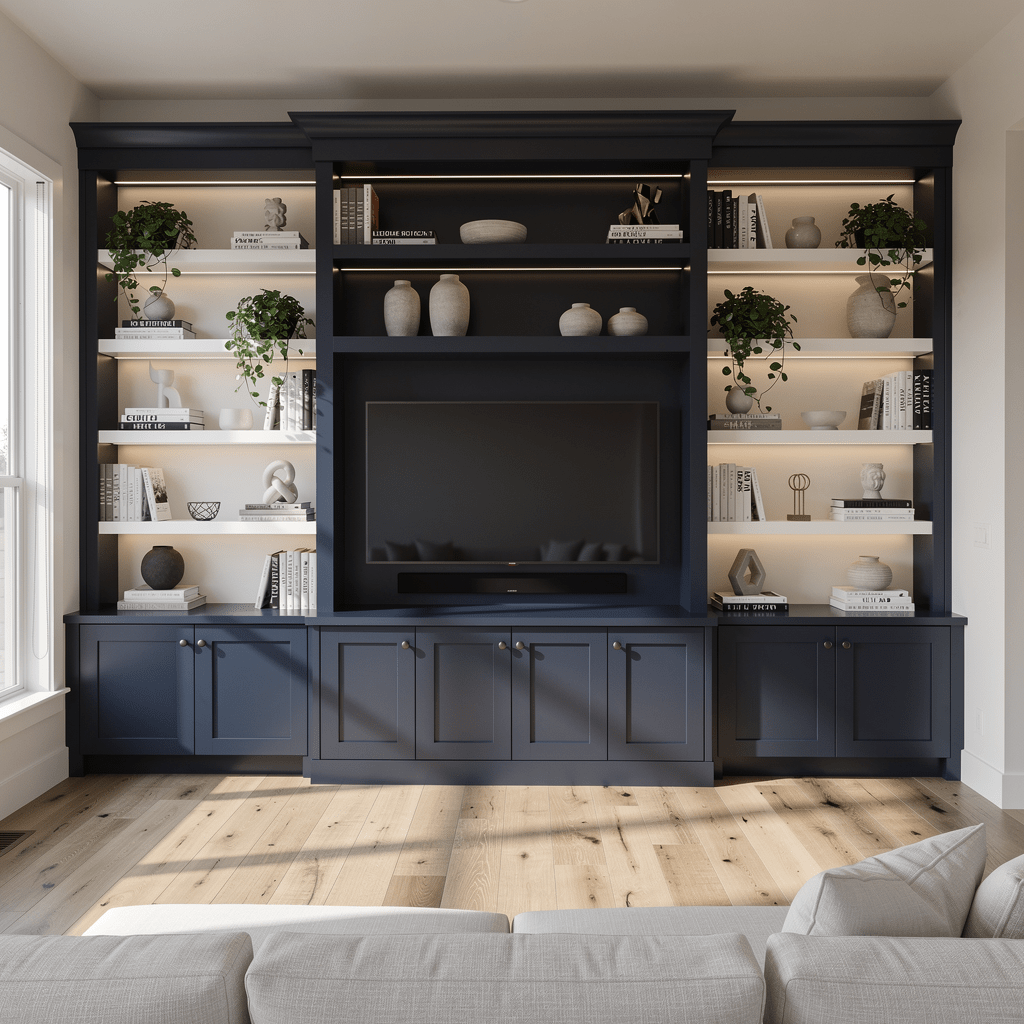
Walk into a house and you’ll notice the countertops, the flooring, the paint color. But what makes a house feel genuinely custom — feel finished, considered, and crafted — is almost always the carpentry. It’s the built-in bookcase that turns a dead wall into a showpiece. The coffered ceiling that makes a standard bedroom feel like a private retreat. The mudroom locker system that finally gives your family a place for everything. The wine cellar that turns an unused corner of the house into something extraordinary. Custom carpentry is the craft that separates a well-built house from a truly exceptional home. And in North Texas, where homeowners are building and renovating at a pace that shows no signs of slowing, demand for skilled custom carpentry work has never been higher. This guide covers what custom carpentry includes, what it costs in the Fort Worth and Azle area, and how to find a craftsman who’ll deliver work that lasts. What Is Custom Carpentry? (And What Sets It Apart From Standard Finish Work) Custom carpentry encompasses all the woodwork in a home that goes beyond the standard — the pieces that are designed and built specifically for a space, rather than purchased off the shelf and installed. This is distinct from standard finish carpentry (baseboards, door casings, window stools), though a skilled custom carpenter handles that work beautifully too. What separates custom carpentry is the design element: each piece is conceived for a specific room, a specific client, and a specific purpose. At Lawrence Construction Services, our custom carpentry work spans a wide range of projects — from wine cellars and garage conversions to built-in cabinetry, custom shelving, and architectural trim packages that transform new construction into something that feels fully finished and intentional. Common Custom Carpentry Projects in North Texas Homes Built-in bookshelves and entertainment centers One of the most requested custom carpentry projects in the Fort Worth area — a floor-to-ceiling built-in that integrates with a room’s architecture rather than sitting against it like a piece of furniture. Mudroom locker and storage systems Essential in Texas family homes. A properly designed mudroom system with individual lockers, bench seating, hooks, and upper cabinets solves the daily chaos of a busy household and adds genuine functional value. Coffered and tray ceilings Architectural ceiling treatments that transform the volume of a room. Coffered ceilings use a grid of recessed panels between exposed beams. Tray ceilings step up in layers, creating depth and visual interest. Both require skilled carpentry to execute cleanly. Wainscoting and board-and-batten Wall treatments that add texture, architectural detail, and visual weight to living rooms, dining rooms, offices, and primary bedrooms. Popular in both traditional and modern farmhouse interiors — two of the most dominant design aesthetics in North Texas. Custom cabinetry Kitchen, bathroom, laundry, and garage cabinetry built to your exact dimensions and specifications. Unlike stock or semi-custom cabinetry, true custom cabinetry fits the space perfectly, uses your chosen wood species and finish, and is built to last decades rather than years. Wine cellars and wet bars A growing category in Fort Worth-area custom homes. A properly designed wine cellar requires careful humidity and temperature control, specialized racking systems, and often a glass display wall or door to showcase the collection. Wet bars involve custom cabinetry, countertops, sink, refrigeration, and sometimes a back-bar mirror assembly. Home offices and libraries As remote work has become a permanent fixture of North Texas life, investment in dedicated, beautifully finished home offices has increased significantly. Floor-to-ceiling built-in shelving, custom desks with integrated cable management, and paneled walls are all in high demand. Garage conversions Converting a garage into finished living space — a home gym, home office, workshop, or bonus room — requires significant carpentry work: framing partition walls, installing doors and trim, building custom cabinetry or storage systems for the new use. This often intersects with ADU work. Staircase and railing upgrades Replacing a builder-grade staircase with custom open-riser treads, a statement railing system, or box newel posts dramatically changes a home’s feel. This is one of the highest-visibility upgrades possible in a two-story home. How Much Does Custom Carpentry Cost in Fort Worth, TX? Custom carpentry pricing depends heavily on the complexity of the design, the wood species and materials specified, and the scope of the project. Here are realistic ranges for common projects in the North Texas market: Project Typical Cost Range Built-in bookcase / entertainment center $3,000–$15,000+ Mudroom locker system (4–6 lockers) $4,000–$12,000 Coffered ceiling (average room) $3,500–$10,000 Wainscoting / board-and-batten (per room) $1,500–$5,000 Custom kitchen cabinetry (full kitchen) $15,000–$60,000+ Wine cellar (dedicated room) $20,000–$75,000+ Home office built-ins (full room) $5,000–$25,000 Staircase and railing upgrade $8,000–$30,000+ Garage conversion (basic finish) $15,000–$45,000 These ranges reflect labor and materials for installed, finished work. The high end of each range reflects complex designs, premium wood species (white oak, walnut, cherry), custom hardware, and built-in lighting or specialty features. What Drives Custom Carpentry Costs Up? Wood species selection. Poplar (the standard for painted built-ins) is significantly less expensive than stained hardwoods like white oak or walnut. If you’re painting, poplar is an excellent choice. If you want a natural wood grain finish, budget for premium species. Design complexity. A simple rectangular built-in with standard shelving is far less labor-intensive than a curved built-in with decorative pilasters, crown moulding, integrated lighting, and glass-front upper cabinets. Hardware. Cabinet hardware ranges from $3 per pull to $50+ per pull for premium European hardware. Soft-close hinges, full-extension drawer slides, and built-in electrical outlets and USB charging ports all add cost but add genuine daily-use value. Finishing. Painted finishes require primer, sanding, multiple paint coats, and careful masking — time-intensive work. Stained and sealed finishes require careful wood preparation and multiple protective coats. The finish phase is often 20–30% of the total project labor. The Difference Between Custom, Semi-Custom, and Stock Cabinetry If you’re planning a kitchen renovation or new home build, understanding these three tiers will help you make the right decision for your budget and expectations: