Custom Deck Builder in Fort Worth: What a New Deck Costs, What to Expect, and How to Get It Right in North Texas
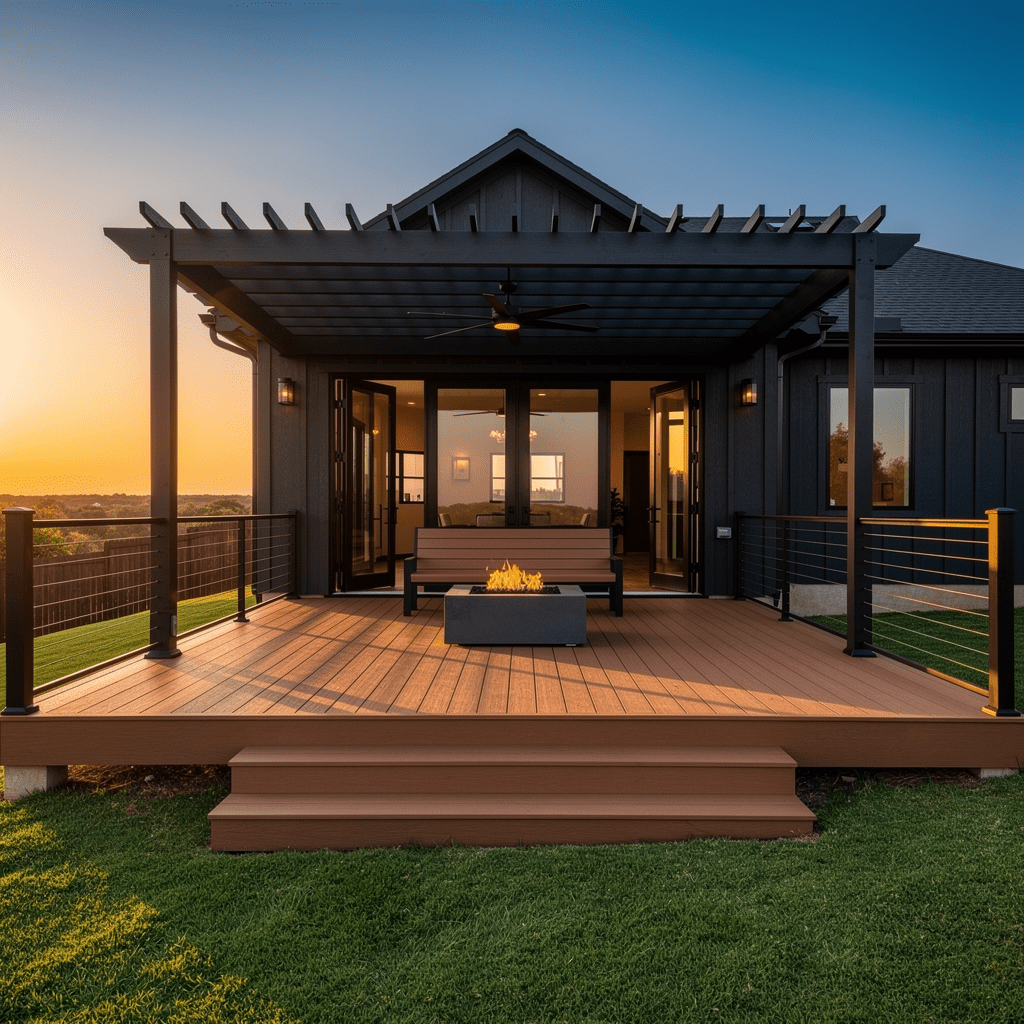
A well-built deck does something remarkable to a North Texas home: it creates a room you did not have. Not additional square footage in the technical sense – but a defined, usable, inviting space that changes how your family lives in the house. Suddenly the backyard is not something you look at through the sliding glass door. It is somewhere you actually go. The Fort Worth area has embraced this reality. Custom deck installations are among the most consistently requested construction projects throughout Tarrant County, Parker County, and the Azle area – and for good reason. The climate offers genuinely beautiful outdoor seasons, most properties have the space for meaningful deck footprints, and North Texas homeowners understand the lifestyle value of outdoor living designed and built correctly. But a deck is only as good as its planning, its materials, and the contractor who builds it. This guide gives Fort Worth homeowners the complete picture: costs, materials, permit requirements, design options, and how to find a deck builder worth hiring. Why North Texas Is One of the Best Markets for Custom Decks The weather window is larger than most people use. North Texas homeowners who say the heat makes outdoor spaces unusable are often describing spaces without shade. A well-designed deck with a pergola, shade structure, and ceiling fans is genuinely comfortable from March through May and September through November – and manageable in June and August with the right overhead coverage. That is a room usable for eight or more months of the year. Property sizes support meaningful deck footprints. Many Fort Worth-area properties have substantial backyard square footage that is currently lawn or underutilized hardscape. A custom deck converting 400 to 800 square feet of that space into finished outdoor living delivers enormous lifestyle value relative to its construction cost. Decks carry strong resale value. A quality custom deck consistently ranks among the top ROI home improvement investments in Texas. In a market where buyers place high value on outdoor living, a well-built, well-designed deck is a genuine selling point that photographs well, shows well, and adds directly to appraised value. Types of Custom Decks in North Texas Grade-level decks. Built at or close to ground level, typically a few inches above grade. The most structurally straightforward deck type, best suited to flat or gently sloping yards. Lower substructure complexity generally means lower cost per square foot. Elevated decks. Built above ground level – ranging from 2 feet to 10 or more feet above grade – to align with a door above ground level, take advantage of a view, or accommodate sloped terrain. Elevated decks require a more substantial post-and-beam substructure, deeper concrete footings, and railings that meet current code height requirements. Multi-level decks. Decks with two or more distinct planes connected by steps or stairs. Multi-level designs work exceptionally well for sloped North Texas yards, allow different use zones at different heights, and create visual interest that a single-plane deck cannot match. Wraparound decks. Extending around two or more sides of the home. Common on farmhouse-style and craftsman homes throughout the Fort Worth area, wraparound decks maximize the deck’s indoor-outdoor connection and are particularly effective when the home has exterior doors or views on multiple sides. Pool decks. Decks surrounding or adjacent to an in-ground or above-ground pool. These have specific material requirements – slip resistance is a hard requirement, not a preference – along with drainage considerations and often clearance requirements that differ from standard residential decks. Deck Materials: Wood vs. Composite in North Texas This is the single most consequential material decision in any deck project, and it deserves careful consideration. For an in-depth look at the full comparison, our post on why North Texas homeowners are switching from wood decks to composite covers the data in detail. Here is the summary that matters for planning purposes: Pressure-treated wood is the most affordable decking surface material. It is structurally sound and widely available. The limitations in North Texas: it requires annual sealing or staining under intense UV exposure, it can warp and check as it cycles through the region’s extreme moisture and temperature swings, and it requires periodic inspection for rot and pest activity. Cedar and redwood are naturally rot-resistant and beautiful when freshly installed. In North Texas UV and heat conditions, however, they require more regular maintenance than their natural durability reputation suggests. Annual treatment is necessary to prevent graying, cracking, and surface deterioration. Composite decking – specifically premium products like TimberTech by AZEK – is what we recommend for the large majority of North Texas homeowners who want a deck that delivers year after year without significant maintenance demands. The performance advantages that matter in this climate: As a certified TimberTech partner, Lawrence Construction Services supplies and installs TimberTech products at contractor pricing. You can explore the full current product line at timbertech.com – the range of colors, textures, and profiles in today’s premium composite offerings is genuinely impressive compared to what was available even five years ago. The substructure – posts, beams, and joists – is built from pressure-treated lumber on composite deck projects. The composite surface sits on top of the PT structure. Railing Options for Fort Worth Custom Decks Railing is the highest-visibility element of most custom decks – it is what you see constantly from inside the house and from the yard. The right choice shapes the deck’s aesthetic as much as the decking surface itself. Composite railing systems. Low-maintenance, coordinated with composite decking products, available in multiple colors and profiles. The most popular choice for maintenance-conscious homeowners. Aluminum balusters with composite rails. One of the most requested configurations in North Texas custom decks. The slim aluminum balusters keep sight lines open to the yard while the composite rails eliminate painting and refinishing. Clean, contemporary, and highly durable. Cable railing. Horizontal stainless steel cables between posts. Minimal visual profile, excellent for elevated decks with views. Cable systems require specific post spacing and periodic tension checks over time. Glass panel
How to Hire a General Contractor in Fort Worth: The Questions That Separate the Right Builder from the Wrong One
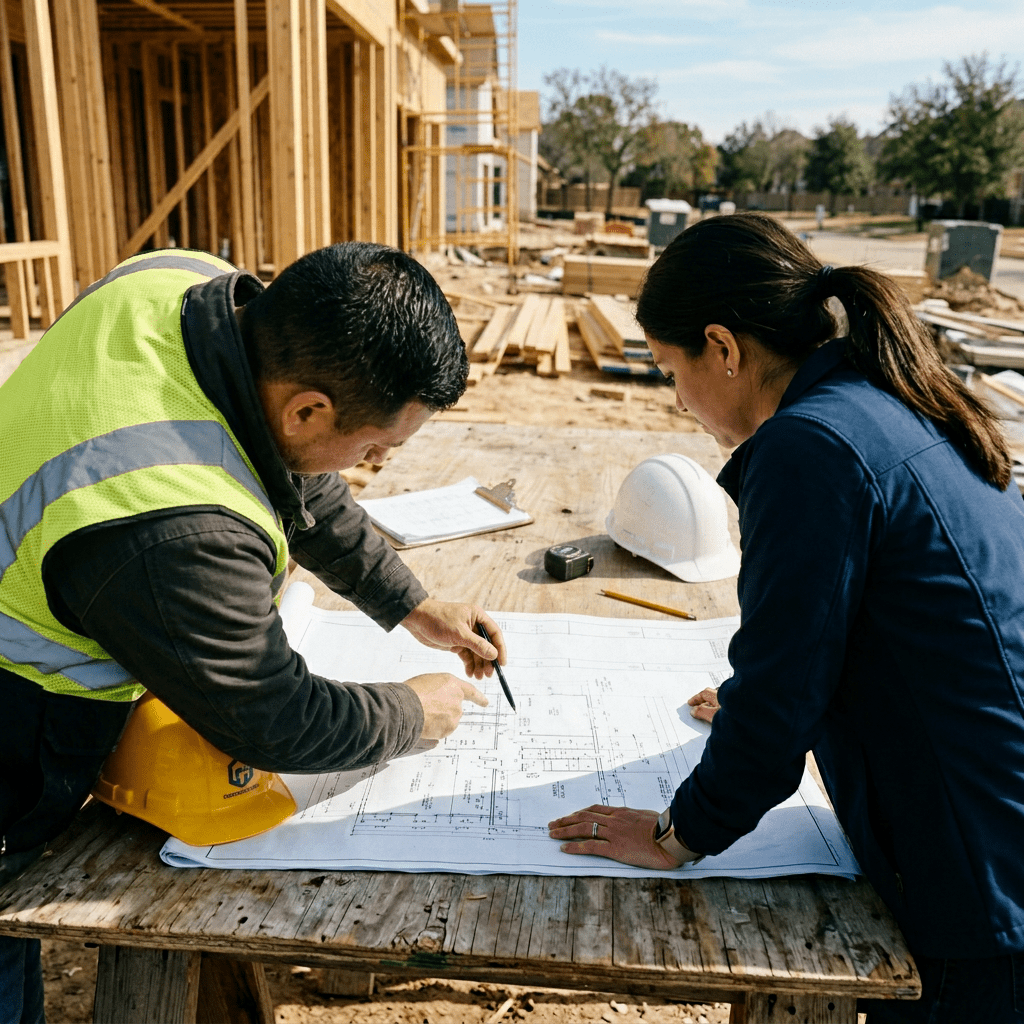
Hiring a general contractor is the most consequential financial decision most North Texas homeowners make outside of buying a house. The right GC turns your construction project into an experience you would repeat. The wrong one turns it into years of disputes, incomplete work, missed permits, and potentially a mechanics lien filed against your property. The Fort Worth construction market is active – which means both genuinely excellent contractors and opportunistic operators who call themselves general contractors while lacking the experience, insurance, and integrity the title requires. The way you protect yourself is clear: know what to verify before you hire, know what to ask, and know what the answers should look like. This guide applies to any significant construction project in the North Texas area – a custom home, an addition, a deck, an ADU, an outdoor living space, or an exterior renovation. What a General Contractor Actually Does A general contractor manages the complete execution of a construction project. That includes: A GC’s real value is not just in building things. It is in coordinating the dozens of interdependent decisions and timelines that make a construction project succeed or fail. A project that looks straightforward from the outside typically involves 15 to 30 subcontractor relationships, hundreds of material specifications, and dozens of municipal inspections. The GC holds all of it together. Step 1: Verify Licensing and Insurance Before You Do Anything Else Texas does not require a state-level general contractor license for most residential construction. This surprises most homeowners – and it is one reason the Texas residential market has a wider quality range than states with stricter licensing requirements. However, specific licensed trades working under your GC must carry current state licenses: What to require from every GC before signing anything: Certificate of General Liability Insurance. Minimum $1,000,000 per occurrence is standard for residential GC work. Have the GC’s insurance provider send the certificate directly to you. Do not accept a certificate handed to you by the contractor – policies can be outdated or altered. Verify the expiration date and call the issuing insurer to confirm the policy is active. Certificate of Workers’ Compensation Insurance. Any contractor with employees must carry workers’ comp. If a worker is injured on your property and the GC carries no coverage, you can be held liable as the property owner. This is not a technicality. License numbers for all licensed trades. Get these in writing before work begins and verify them through the appropriate state licensing authority. Step 2: Evaluate Experience Specific to Your Project Type “I have been building for 20 years” tells you almost nothing without context. Two decades of production home building in a subdivision does not prepare a contractor for managing a custom barndominium on acreage with a post-tension slab and a complex outdoor living build. Ask specifically: Then actually call the references. Ask them: The most revealing reference question is not “did it turn out well?” Most contractors only give you references for projects that went well. Ask how problems were handled and whether the contractor communicated honestly when things did not go as planned. You can review completed project examples from Lawrence Construction Services in our project gallery, and our frequently asked questions page addresses common questions about our process and approach. Step 3: Get a Detailed Written Estimate – Not a Ballpark Number A professional general contractor provides a written, itemized estimate that includes: Any contractor who offers a single lump-sum number without supporting detail is either not organized enough to manage your project or is deliberately keeping things vague to avoid accountability. Pay close attention to allowances. An allowance is a placeholder for items you have not yet selected – “tile allowance: $5.00 per square foot,” for example. If you ultimately choose tile at $12.00 per square foot, the difference comes out of your budget. Allowances set too low are one of the most common mechanisms for budget overruns on residential construction projects. Ask directly: “Are these allowances what your clients typically spend, or are they set low to keep the bid number attractive?” Step 4: Understand the Contract Before You Sign It Construction contracts protect both parties – and the specific language matters. Before signing with any North Texas GC, verify the contract includes: Detailed scope of work. Every element of the project described specifically. Vague scope is where disputes originate. Payment schedule tied to milestones. Never pay more than 10 to 15% as a deposit before work begins. Legitimate contractors do not require large upfront payments because their subcontractor relationships and material accounts allow them to manage cash flow through milestone-based draws. A contractor requiring 40 to 50% upfront is a significant warning sign. Written change order process. Every change to the original scope – regardless of size – should be documented in a signed change order before execution. Verbal change orders lead to disputes without exception. Timeline and completion date. Including reasonable provisions for weather delays and material lead times, and consequences for delays outside those provisions. Lien waiver provisions. At each payment milestone, you should receive a conditional or unconditional lien waiver from the contractor and major subcontractors confirming payment covers work completed. This protects you from a subcontractor filing a mechanics lien against your property because your GC failed to pay them after you paid the GC. Warranty terms. What is covered, for how long, and by whom. Step 5: Recognize Red Flags Before You Sign Anything No physical business address. A contractor operating solely from a P.O. box or reachable only by cell phone is harder to locate if problems arise after you have paid. Pressure to decide immediately. Artificial urgency is a sales tactic. A contractor confident in their work and their reputation does not need to pressure you into a 24-hour decision. Suggesting you skip permits. Any contractor who recommends bypassing the permit process to “save time” is exposing you to fines, forced demolition, insurance claim denial, and complications at resale. Walk away. Large
Covered Patio vs. Open Pergola: Which Is the Right Choice for Your North Texas Backyard?
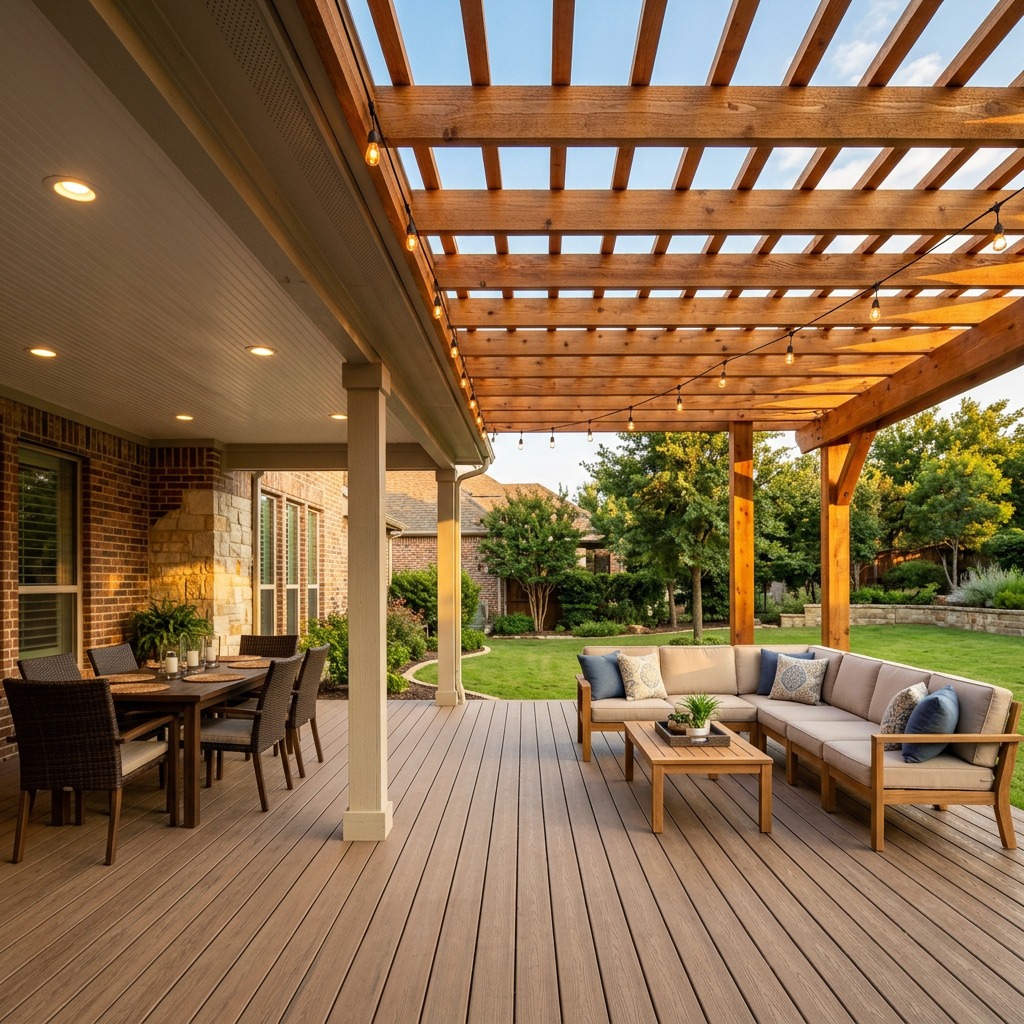
It starts with a question that sounds simple but has a surprisingly nuanced answer: “Should we do a pergola or a covered patio?” In almost every outdoor living consultation we have with Fort Worth-area homeowners, this decision comes up early. And the honest answer is that both structures serve real purposes – but they are not interchangeable. Choosing the wrong one for your specific yard, your lifestyle, and your use patterns will leave you either baking in the afternoon Texas sun or feeling like you are eating dinner under a parking garage roof. This guide breaks down the real differences between a solid patio cover and an open pergola, walks through the cost and permit landscape for the North Texas market, and helps you figure out which structure – or which combination of both – is actually right for your backyard. What Is a Covered Patio? A covered patio, also called a patio cover, shade structure, or attached patio roof, is a solid-roofed structure that provides complete protection from both sun and rain. The roof can be built from several materials: Solid wood or steel framing with roofing material that matches or complements the home’s existing roof. This is the most architecturally integrated option – the patio cover looks like a natural extension of the home’s roofline rather than an add-on. Insulated aluminum panels. The most popular choice for North Texas homeowners because the insulated core dramatically reduces heat transfer. On a 100-degree Texas afternoon, an uninsulated metal panel becomes a radiant heat source above your head. A quality insulated panel system stays significantly cooler and creates a genuinely comfortable space beneath it. Polycarbonate panels. Semi-transparent panels that allow filtered natural light while blocking rain. These work for homeowners who want brightness without full sun exposure. In North Texas UV conditions, however, polycarbonate panels can yellow and degrade faster than aluminum systems – worth factoring into the long-term cost comparison. What Is an Open Pergola? A pergola is an open-frame structure: posts, beams, and rafters with no solid roof. The overhead framework intercepts some sun and creates dappled shade, but it does not block rain, and the shade level changes with the angle of the sun throughout the day. The appeal of a pergola is aesthetic and sensory. You are under structure but still feel genuinely outdoors. The sky is visible. Breezes move freely. String lights, ceiling fans, and climbing plants all have a framework to live on. The open design creates a defined outdoor room without the sheltered, enclosed feeling of a solid cover. Pergolas in North Texas come in several forms: Classic open-beam pergola. Parallel rafters with maximum openness. The lowest-cost custom option. Louvered pergola. Motorized or manual slats that open and close to control shade and rain protection. The most flexible option – and the highest cost. Shade sail pergola. An open frame with retractable fabric canopies attached between beams. A practical middle-ground option that improves on a plain open pergola at lower cost than louvers. How Each Structure Handles North Texas Weather This is where most Fort Worth-area homeowners make their final decision. North Texas throws specific weather challenges at outdoor structures, and covered patios and pergolas handle each one differently. Summer Heat A solid insulated patio cover blocks direct solar radiation almost entirely. Standing under one in August is meaningfully more comfortable than standing under an open pergola because the insulated panel absorbs and dissipates heat rather than allowing it to radiate into the space below. An open pergola in direct Texas sun provides partial shade – helpful, but not as dramatically cooling as a solid cover. Adding shade sails or louvered slats improves this significantly, but even a well-configured pergola shade system lets more solar radiation through than a solid insulated roof. Rain A solid patio cover means you can use your outdoor space during North Texas’s spring storm season. Outdoor kitchens under a solid cover stay dry. Furniture does not get soaked between uses. The space stays functional on rainy evenings. An open pergola provides no meaningful rain protection. A louvered pergola with fully closed slats can shed moderate rainfall, but a traditional open-beam pergola in a North Texas thunderstorm is simply not usable. Hail A properly engineered insulated aluminum patio cover handles North Texas hail well. Standard pergola lumber holds up fine to hail. Fabric shade sails and polycarbonate panels, however, can be damaged in severe hail events – a real consideration in Tarrant County’s active hail environment. Aesthetic Comparison: How Each Structure Feels Beyond weather performance, these two structures create fundamentally different outdoor experiences. A covered patio feels sheltered and defined – a genuine outdoor room with clear boundaries, a solid ceiling that gives the space proportion, and a sense of enclosure that makes furniture arrangements feel grounded. It is a great backdrop for comfortable seating, outdoor rugs, and the kind of styling that makes a backyard feel like an extension of the interior. An open pergola feels lighter and more organic. You are aware of the sky. The structure creates overhead interest without overhead enclosure. It integrates naturally with climbing plants, string lights, and the kind of casual atmosphere that makes outdoor dining feel like an occasion. Neither is objectively better. They create different experiences, and the right choice depends on which one aligns with how you want to feel in your outdoor space. Cost Comparison for Fort Worth Homeowners Structure Type Typical Installed Cost Basic wood-framed attached patio cover $12,000-$25,000 Insulated aluminum patio cover (attached) $15,000-$35,000 Open cedar or pressure-treated pergola $8,000-$20,000 Composite or aluminum pergola $15,000-$35,000 Motorized louvered pergola system $25,000-$60,000+ Combination cover and open pergola $25,000-$65,000+ These ranges reflect installed costs for structures of 200 to 400 square feet in the Fort Worth and Tarrant County market. Larger structures, complex rooflines, and electrical additions increase costs accordingly. The Hybrid Approach: Why Many North Texas Homeowners Choose Both A configuration that comes up frequently in our outdoor living projects is the combination of a solid patio cover
Multigenerational Home Design in North Texas: Building a Home That Works for the Whole Family
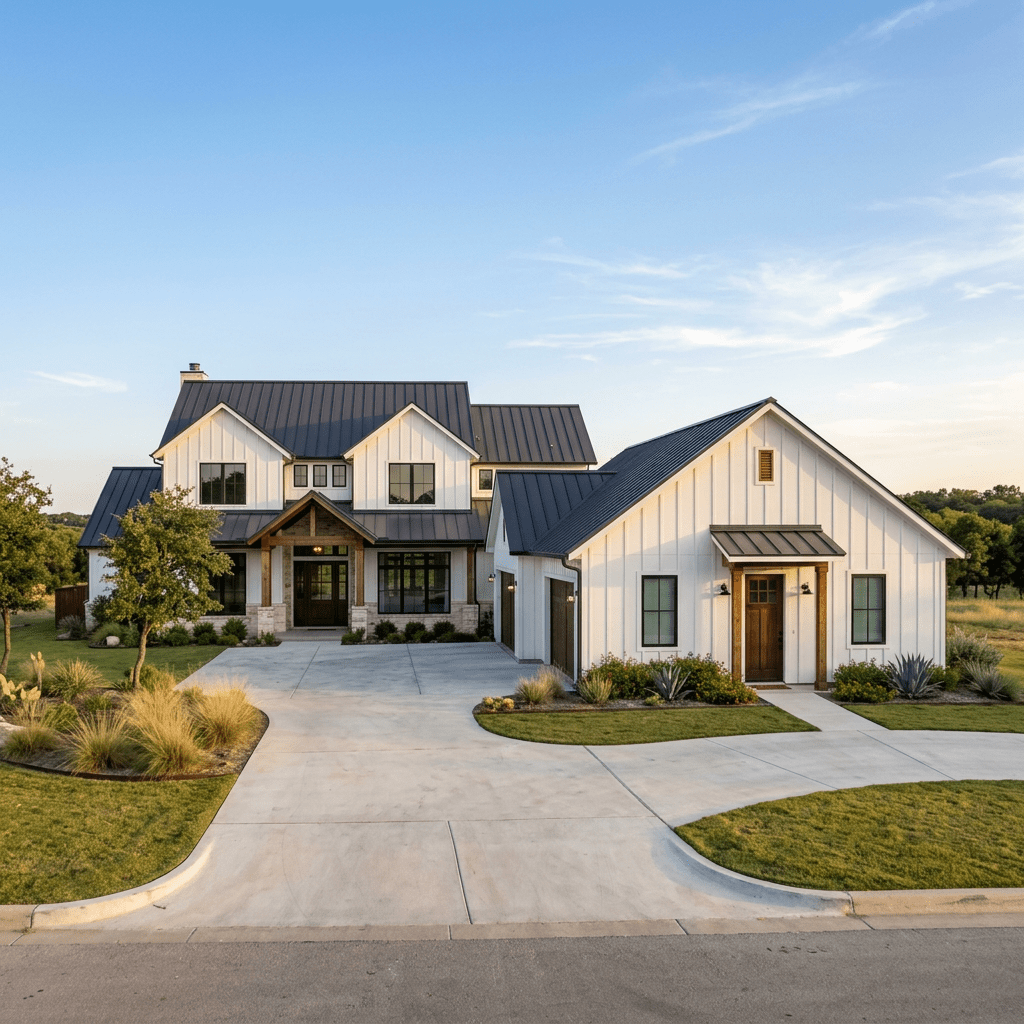
There is a conversation happening at kitchen tables across Fort Worth, Azle, and Parker County right now. It sounds something like this: “Mom is getting to the point where she should not be living alone. We want her close – but we also need our own space. What are our options?” Or this version: “Our son just finished school. Housing is expensive. He wants to come home for a couple of years, save money, get on his feet. How do we make that work without everyone driving each other crazy?” Multigenerational living is no longer a trend confined to a specific culture or income bracket. According to U.S. Census Bureau data, multigenerational households have increased significantly over the past two decades, driven by aging demographics, housing affordability pressures, and a genuine shift in how American families think about proximity and caregiving. In North Texas, the appeal of keeping generations close is especially strong – and what makes this market uniquely positioned is that the land, the space, and the building culture here actually support multigenerational solutions that are not available in denser urban markets. You have real options. The question is which option fits your family, your property, and your budget. What Is a Multigenerational Home? A multigenerational home is a residence intentionally designed to house two or more generations of a family simultaneously. This can take several forms: a modified floor plan with a dedicated in-law suite built inside the main home structure, a fully detached accessory dwelling unit (ADU) on the same property, or a completely custom-designed home built from the ground up with two distinct living areas deliberately integrated. The defining characteristic is intention. A multigenerational home is designed to balance proximity with privacy, shared common spaces with independent living, and present needs with future flexibility. Why North Texas Families Are Choosing Multigenerational Living Aging parents. The average cost of assisted living in Texas runs $3,500 to $6,000 or more per month, and memory care costs even more. A multigenerational home solution that lets a parent live safely on the same property – close to family and in a space designed for their needs – can save hundreds of thousands of dollars over a decade while preserving independence and connection. Adult children returning home. Housing affordability is a real challenge for young adults in the Fort Worth market. The arrangement works well when the right space is built – one that gives everyone genuine independence rather than forcing uncomfortable proximity. Remote work geography shifts. When geography no longer determines where you work, the calculus of living near family changes. Families who previously lived across the country are now building together on shared North Texas property. Cultural and personal values. Many families across a wide range of backgrounds simply prefer keeping generations close. For these families, multigenerational living is not a compromise – it is the preferred arrangement. Financial efficiency. Shared property taxes, maintenance costs, and utilities across multiple generations can make homeownership meaningfully more affordable for everyone involved. Your Four Main Options for Multigenerational Living in North Texas Option 1: In-Law Suite Within the Main Home This approach adds a private living area inside the footprint of the primary home – typically a bedroom suite with its own bathroom, a small sitting area, and sometimes a kitchenette. The suite may share a connecting door with the main home, have a private exterior entrance, or both. This is the most budget-friendly multigenerational option and works well for aging parents who need proximity and some support but still value privacy. The tradeoff is that an in-home suite offers less acoustic separation and less true independence than a detached structure. Key design elements that make an in-law suite genuinely livable: Typical cost range in North Texas: $80,000 to $180,000 depending on size and finish level. Option 2: Detached ADU or Guest House A fully independent living structure on the same property. This delivers maximum privacy for both generations while keeping family within a short walk. A well-designed detached ADU can include a full kitchen, its own HVAC system, dedicated utilities, and a layout that functions as a complete small home. If the family arrangement changes over time, the structure can serve as a long-term rental unit, a home office, or a guest house – it retains value and utility regardless of who is using it. Our guide on ADUs and garage conversions for Texas homeowners covers the full decision framework for detached structures. Typical cost range: $100,000 to $220,000 for a fully appointed detached ADU in the Fort Worth area. Option 3: Custom Multigenerational Home Design For families building from the ground up, designing a custom home specifically for multigenerational living is the most intentional and most effective approach. A properly designed multigenerational home incorporates two complete living areas – sometimes called a dual-living or dual-suite configuration – connected by shared common spaces that both households can use without feeling like they are constantly in each other’s territory. Typical features of a purpose-built multigenerational custom home include: The advantage of designing for multigenerational living from the beginning is that everything works together by design. Our custom homes and barndominiums service page outlines our design-build approach for families planning new construction in the Fort Worth and Azle area. Construction costs for a multigenerational custom home in North Texas typically start at $350,000 and scale up based on size and specification. Option 4: Garage Conversion Converting an existing garage into finished living space is the most budget-friendly path for families who already own a home with an attached or detached garage. This approach works best for shorter-term arrangements or for secondary household members who need relatively simple space. The limitations are real: garage conversions typically offer limited square footage, may not accommodate accessibility requirements for aging adults depending on the original layout, and eliminate parking and storage – a meaningful consideration in suburban North Texas where multiple vehicles are the norm. We cover the full garage conversion process and decision framework
How to Design a Complete Outdoor Living Space in North Texas: The Fort Worth Homeowner’s Planning Guide
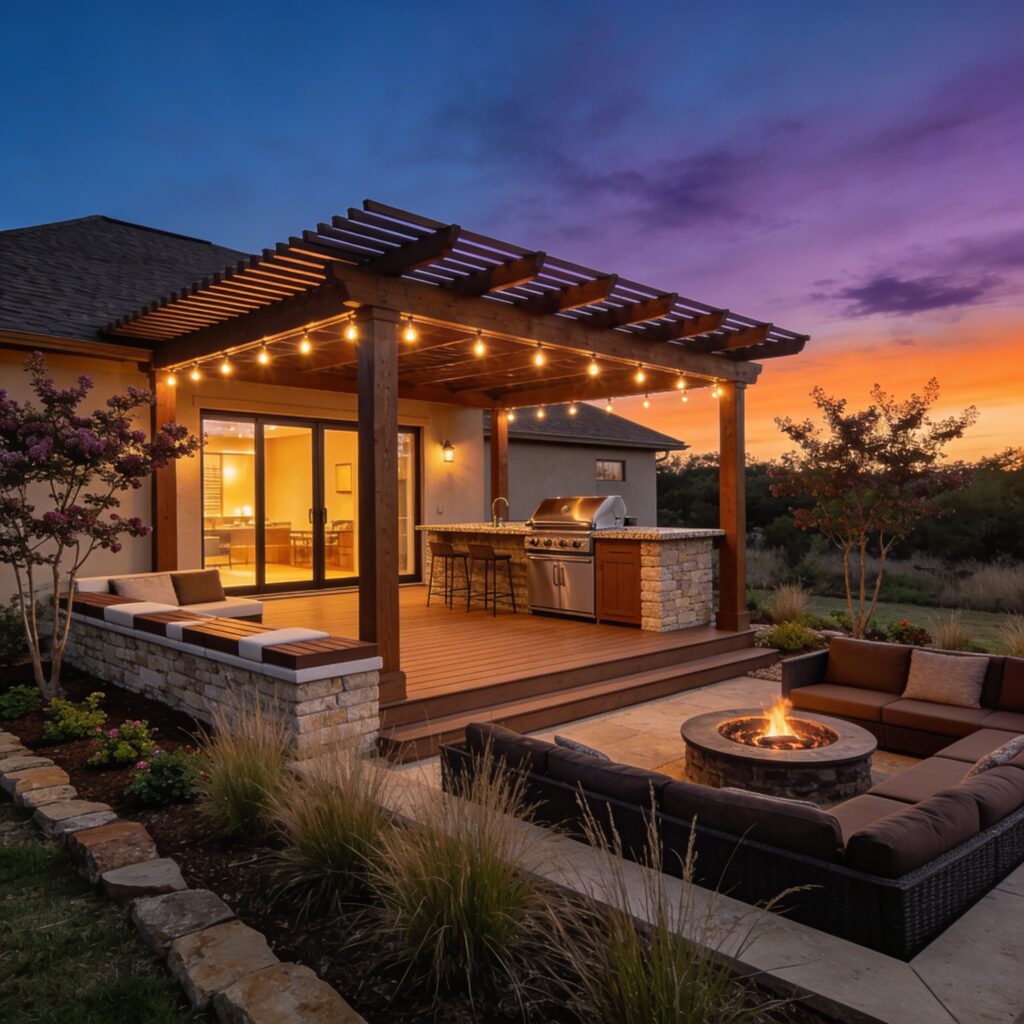
Every great outdoor living space in North Texas starts the same way: someone stands in their backyard on a perfect April evening, looks at the unused concrete slab and the builder-grade patio cover, and thinks — “There has to be more than this.” There is. But going from that moment of inspiration to a backyard that genuinely functions as an additional room — one your family uses constantly, one that entertains 30 people on a Saturday night as easily as it hosts a quiet weeknight dinner — requires a planning process that most homeowners skip entirely. They see a pergola they love on Pinterest. They call a contractor. They get a deck built. Then they realize the deck faces west and bakes in the afternoon sun. The pergola is beautiful but has no electrical for fans or lighting. There’s no kitchen so someone’s always going back inside. The patio furniture is lovely but there’s nowhere to put it when the weather turns. This guide gives you the complete outdoor living planning framework — from orientation and zoning to materials and integration — so your outdoor space works the way you imagined it from day one. Why Outdoor Living Matters More in North Texas Than Almost Anywhere Else North Texans have a complicated relationship with their outdoor spaces. The climate offers genuinely spectacular weather — cool, clear winters, vibrant springs, warm fall evenings — but punishing summers that can make unshaded outdoor spaces unusable from June through September. The homeowners who crack this code — who design outdoor spaces that are comfortable and functional from March through November — add a room to their home without adding to its footprint. They entertain more, spend more time outside as a family, and almost universally report that their outdoor living space is one of the best investments they’ve ever made in their home. The ones who don’t crack it end up with beautiful-looking spaces they don’t actually use. The difference is almost entirely in the planning. Step 1: Define How You Want to Live Outside Before you choose a material, draw a layout, or talk to a contractor, spend time answering these questions honestly: How do you actually spend time outside right now? Morning coffee? Evening dining? Weekend entertaining? Active kids’ play? Knowing this shapes every design decision. Who uses the space? A couple with no children has very different needs than a family with three kids and a dog. Multi-generational households need to design for different levels of mobility and different preferences simultaneously. How many people do you realistically entertain at once? The answer to this drives space planning more than almost any other factor. Designing for a party of 10 is very different from designing for a party of 40. What’s your relationship with cooking outside? A full outdoor kitchen is a major investment — deeply worthwhile for families who love outdoor cooking and entertaining, significantly less so for families who prefer to cook inside and eat outside. How much maintenance are you willing to commit to? An outdoor space with a wood pergola, real wood decking, a plaster outdoor kitchen, and natural stone requires significantly more maintenance than one built with composite decking, aluminum structure, and sealed concrete. Be honest with yourself before you specify materials. What’s your real budget — not your aspirational budget? A fully appointed outdoor living space in North Texas — pergola, deck, outdoor kitchen, fire feature, landscaping, and lighting — can run anywhere from $40,000 to $200,000+. Know what you’re working with before you start designing. Step 2: Understand Your Yard’s Constraints and Opportunities Great outdoor living design starts with the site, not the Pinterest board. Here’s how to read your yard: Sun orientation. As we covered in our custom pergola design guide for Fort Worth homeowners, sun orientation is one of the most critical and most overlooked factors in outdoor living design. In North Texas (roughly 32–33 degrees north latitude), the afternoon sun comes from the southwest and west — which means west-facing outdoor spaces bake from noon through sunset in the summer. East-facing spaces get morning sun and afternoon shade. South-facing spaces get the most overhead sun in summer but the most winter warmth. Know your orientation before you design. Existing structures and transitions. How does the outdoor space connect to the house? Where are the doors? What are the sight lines from inside? The best outdoor spaces feel like a natural extension of the interior — which requires designing the transition intentionally. A sliding glass door that exits onto a deck in full afternoon sun is a transition you’ll avoid. A covered transition that steps down naturally to an outdoor kitchen and seating area is one you’ll use constantly. Utility locations. Know where your gas, electrical, water, and sewer connections are before you plan outdoor kitchen or plumbing locations. Running a gas line across 40 feet of yard is straightforward; running it under a finished deck after the fact is not. Drainage. North Texas gets intense rainfall events. Your outdoor living space should be designed so water drains away from the house, not toward it. Grade, drainage channels, and permeable paving options all need to be considered during design. Privacy. What do you see — and what sees you — from your outdoor space? Neighbors, streets, and adjacent properties all affect how comfortable and usable a space feels. Privacy screening through landscaping, fencing, or structural elements should be designed in, not added as an afterthought. Step 3: Zone Your Outdoor Space Like a Room The biggest design error in outdoor living is treating the backyard as one undifferentiated zone. The best outdoor living spaces are organized into distinct zones — just like the rooms of your house — each with a specific function: The Dining Zone This is where people gather to eat. It needs a flat, level surface (deck, patio, or concrete), proximity to the outdoor kitchen or easy access to the indoor kitchen, adequate shade during the times you’ll
Backyard Guest House in Fort Worth: What It Costs, What’s Allowed, and How to Build One You’ll Actually Love
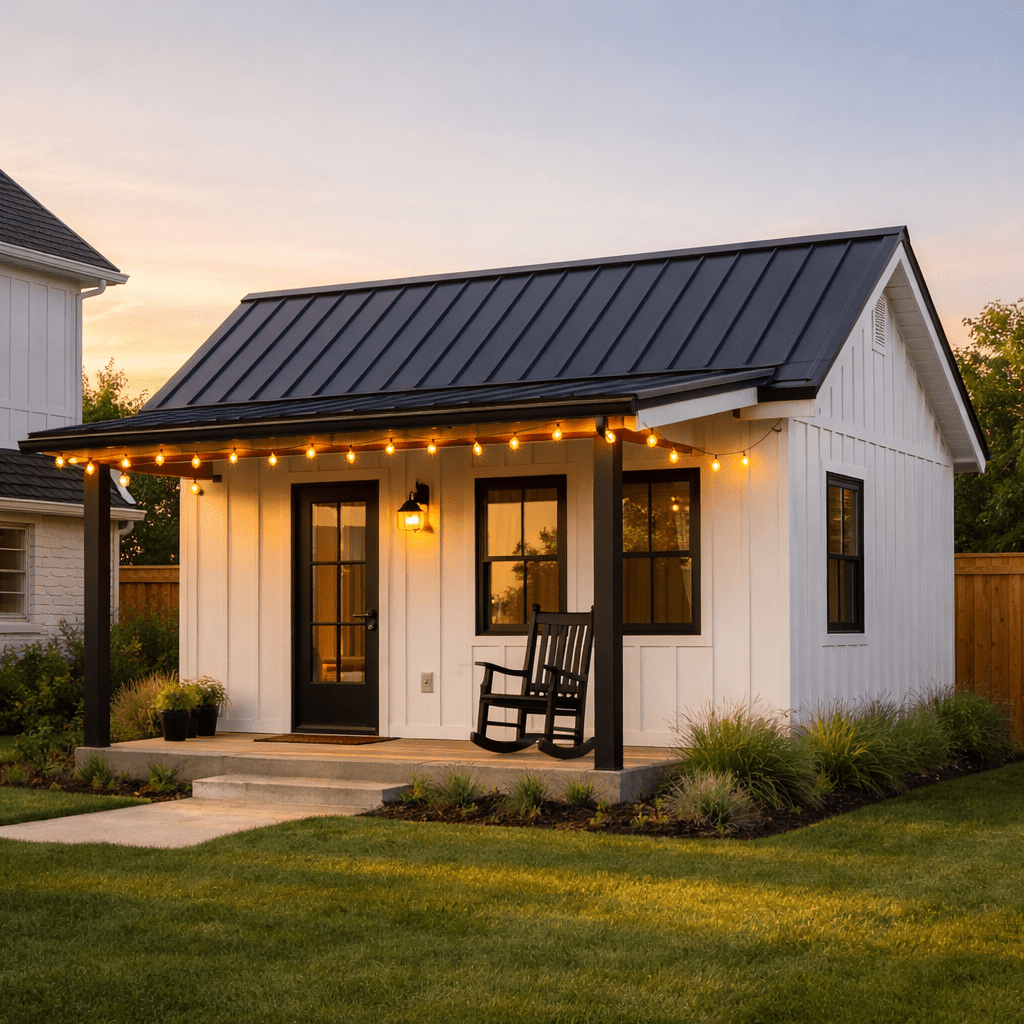
There’s a reason backyard guest houses are one of the most-searched construction topics in North Texas right now. The lifestyle case is almost impossible to argue with: a private, fully functional space steps from your back door that can serve as a guest suite, a parent’s retreat, a teenager’s private space, a home office that actually feels like going to work, or a short-term rental that generates income while you sleep. The question isn’t whether a backyard guest house is a good idea. The question is: what kind should you build, what will it actually cost in the Fort Worth market, and what do you need to know about permits and regulations before you commit? This guide answers all of it. What Is a Backyard Guest House? Defining the Options “Backyard guest house” covers a broad range of structures, and the differences matter for permitting, financing, and long-term use. Here’s how to think about the options: Detached ADU (Accessory Dwelling Unit) A fully self-contained living unit on your property with its own kitchen, bathroom, sleeping area, and separate entrance. This is the most versatile and most valuable option — it can serve any use case, qualifies as rentable space, and adds the most to your property’s appraised value. It’s also the most regulated and most expensive to build. We’ve covered the full ADU vs. garage conversion decision in detail in our Texas homeowner’s guide to ADUs and garage conversions. Guest Suite / Casita A detached structure with a bedroom, bathroom, and sitting area — but without a full kitchen. In many municipalities, the absence of a full kitchen changes how the structure is classified and permitted, which can simplify the approval process. A casita-style guest suite is ideal for families hosting guests, parents visiting long-term, or adult children returning home. Studio / She-Shed / He-Shed A finished, climate-controlled outbuilding used as a personal retreat, creative studio, home office, or hobby space. These structures may or may not include plumbing — a dedicated artist’s studio or home gym doesn’t need a bathroom, but a backyard office benefits enormously from one. These tend to be the fastest to permit and least expensive to build because they carry fewer residential occupancy requirements. Tiny Home (Detached) A complete small home — typically 400 square feet or less — built on a permanent foundation on your property. Tiny homes built as permanent structures are subject to the same residential building codes as full-size homes. This is distinct from tiny homes on wheels (THOWs), which are classified as RVs and cannot be used as permanent residences on residential lots in most Texas municipalities. How Much Does a Backyard Guest House Cost in North Texas? Here are realistic cost ranges for the Fort Worth and Tarrant County market: Structure Type Typical Size Estimated Cost Range Basic studio / office (no plumbing) 200–400 sq ft $30,000–$65,000 Studio with bathroom 300–500 sq ft $55,000–$95,000 Guest casita (bed + bath + sitting) 400–700 sq ft $80,000–$150,000 Full ADU (kitchen + bed + bath) 500–800 sq ft $120,000–$220,000 Detached tiny home (finished) 300–600 sq ft $90,000–$175,000 These are installed costs including foundation, framing, insulation, mechanical systems, and interior finishes. They do not include utility extension costs, which vary significantly based on how far from your home’s existing utility connections the new structure sits. The Biggest Cost Variables Utility connections. If your backyard guest house needs its own electrical service panel, water supply, and sewer connection, the cost of trenching and connecting those utilities can add $8,000–$25,000+ depending on distance from existing connections and whether city sewer is available or septic is required. Septic system. If your property isn’t served by city sewer — common in unincorporated Tarrant County, Parker County, and rural areas around Azle — adding a separate structure that includes plumbing fixtures may require a new or expanded septic system. Septic additions in North Texas typically cost $8,000–$20,000 depending on system type and soil conditions. Foundation type. Post-tension slabs are generally recommended in North Texas given expansive clay soils. Pier and beam foundations are sometimes used for smaller structures and can reduce upfront cost but require adequate ventilation and maintenance access. Finish level. A guest suite finished with LVP flooring, quartz countertops, custom tile shower, and mini-split HVAC costs significantly more than the same square footage with builder-grade vinyl plank, standard fixtures, and a window unit. The finish level also determines long-term desirability — for rental income purposes, quality finishes pay back quickly. Permits and Regulations for Backyard Guest Houses in the Fort Worth Area This is where many North Texas homeowners hit their first serious obstacle, and it’s worth understanding clearly before you fall in love with a floor plan. Inside Fort Worth City Limits The City of Fort Worth regulates ADUs and accessory structures under its Unified Development Code. Key points: Inside Azle City Limits The City of Azle follows a similar framework. Accessory structures require building permits, must comply with setback requirements from property lines and the primary structure, and face height and footprint limitations. Contact the City of Azle Building Department for current specific requirements before finalizing your plan. Unincorporated Tarrant County Tarrant County does not enforce residential building codes in unincorporated areas. However, this freedom comes with important caveats: your lender and insurer still expect code compliance, septic permits are always required through the appropriate county authority, and any future sale of the property may be complicated by unpermitted structures. HOA Deed Restrictions This is the most commonly overlooked constraint. Many planned communities throughout Fort Worth, Keller, Southlake, and surrounding areas have deed restrictions that explicitly prohibit detached living structures, limit accessory building size and height, require architectural compatibility with the main home, or restrict rental activity. Review your deed and HOA covenants carefully — these are legally enforceable and supersede your personal preferences. ETJ Considerations If your property sits in a city’s Extraterritorial Jurisdiction, that city’s regulations may apply even if you’re technically outside city limits. Always verify your specific property’s regulatory
Vinyl Siding vs. Fiber Cement vs. LP SmartSide: The North Texas Homeowner’s Complete Exterior Cladding Guide
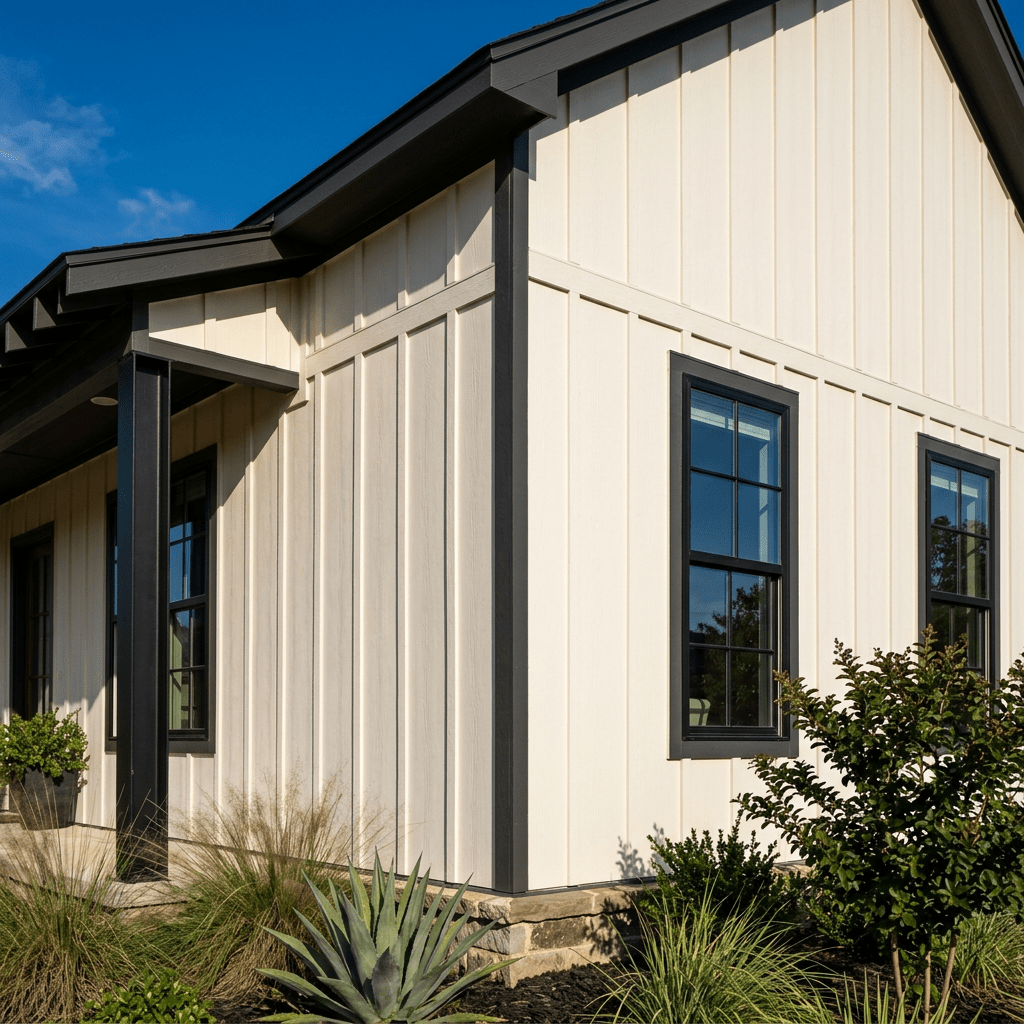
Your home’s exterior does more work than any other surface on the property. In North Texas, that means surviving 100-degree summers, UV radiation intense enough to fade paint in a single season, hailstorms that can demolish a wood deck overnight, and humidity swings that make lesser materials crack, warp, and rot. Choosing the wrong exterior cladding is one of the most expensive mistakes a Fort Worth-area homeowner can make — because you’ll be living with that decision for 20 to 40 years. This guide gives you an honest, side-by-side comparison of the most common exterior cladding options available in North Texas — vinyl siding, fiber cement, LP SmartSide, and metal — so you can make a confident, informed decision before you spend a dollar on installation. Why Your Exterior Cladding Choice Matters More in North Texas Than Almost Anywhere Else North Texas is genuinely one of the harshest environments in the country for exterior building materials. Here’s what your cladding has to survive: UV intensity. The Fort Worth area averages more than 230 sunny days per year. Ultraviolet radiation breaks down pigments, oxidizes surfaces, and degrades materials at a rate that homeowners in northern climates rarely experience. Thermal cycling. North Texas routinely swings from single-digit temperatures in a January ice storm to 108 degrees in August. That 100-degree swing expands and contracts exterior materials repeatedly — stressing seams, fasteners, and coatings year after year. Hail. Tarrant County sits in the heart of Hail Alley. Golf ball-sized hail that would make national news elsewhere is an almost annual occurrence here. Impact resistance is a real performance specification, not a marketing term. Moisture and humidity. While North Texas is semi-arid overall, spring storm seasons bring intense rainfall. The cycle of wet and dry — particularly with the region’s clay soils — creates conditions that accelerate rot in wood-based materials. Wind. The Fort Worth area regularly sees straight-line winds of 50–70 mph during storm events. Cladding systems that aren’t properly fastened and rated for wind loads can fail catastrophically. Option 1: Vinyl Siding Vinyl siding is the most widely installed exterior cladding in the United States, and it’s common throughout the Fort Worth area — particularly on production homes built in the 1980s through 2000s. How Vinyl Siding Works Vinyl siding is manufactured from PVC (polyvinyl chloride) and formed into horizontal or vertical panels that interlock and are nailed to the home’s sheathing. The color is integral to the material — it runs through the full thickness of the panel — which means minor scratches don’t expose a different substrate below. Pros of Vinyl Siding in North Texas Cost. Vinyl is the most affordable cladding option by a significant margin. Installed costs in the Fort Worth area typically run $4–$8 per square foot, making it accessible for homeowners with budget constraints. Low maintenance. Vinyl doesn’t require painting. Cleaning with a garden hose or pressure washer once or twice a year is all most homeowners ever do to maintain it. Moisture resistance. Vinyl doesn’t absorb water, doesn’t rot, and isn’t susceptible to termite or pest damage — meaningful advantages in a region with active termite pressure. Wide style selection. Modern vinyl siding is available in dozens of profiles (Dutch lap, beaded, board-and-batten, shakes) and hundreds of colors. Premium vinyl siding products convincingly mimic wood grain texture. Cons of Vinyl Siding in North Texas Hail vulnerability. Standard vinyl siding is susceptible to hail damage. A significant hail event can crack, dent, or shatter panels — and matching replacement panels to aged, sun-faded existing siding is notoriously difficult. Impact-resistant vinyl products exist but cost significantly more. Thermal expansion. Vinyl expands and contracts significantly with temperature changes. In North Texas’s extreme thermal range, improperly installed vinyl siding can buckle, warp, or pull away from the structure. Installation quality is critical. Heat absorption. Dark-colored vinyl siding in direct afternoon sun can reach surface temperatures of 160–180°F in North Texas summers, which can cause softening and distortion. Lighter colors significantly mitigate this. Perceived quality ceiling. In the higher-end North Texas custom home market, vinyl siding is often seen as a limiting factor on resale appeal. Buyers comparing custom homes at the $500,000+ price point increasingly expect fiber cement or engineered wood. Typical lifespan in North Texas: 20–30 years with quality installation. Option 2: Fiber Cement Siding (James Hardie and Competitors) Fiber cement siding — most commonly associated with the James Hardie brand — has become the dominant premium cladding choice in the Fort Worth area over the past 15 years, and for good reason. How Fiber Cement Works Fiber cement is manufactured from a composite of Portland cement, sand, and cellulose fibers. It’s formed into boards, panels, or shingles that are primed and factory-painted (or field-painted after installation). The result is a material that looks remarkably like wood but has the durability of a cement-based product. Pros of Fiber Cement in North Texas Impact resistance. Fiber cement handles hail significantly better than vinyl. It doesn’t crack or shatter under impact loads that would destroy vinyl panels — a meaningful advantage in Tarrant County. Fire resistance. Cement doesn’t burn. Fiber cement siding is non-combustible, which can reduce homeowner’s insurance premiums and provides genuine protection in fire events. Dimensional stability. Fiber cement expands and contracts much less than vinyl with temperature changes — important in North Texas’s extreme thermal range. Aesthetics and curb appeal. Factory-primed and painted fiber cement products achieve a painted-wood look that vinyl can’t fully replicate. At the higher end of the custom home market, fiber cement is the standard expectation. Paint longevity. Quality fiber cement paint systems carry 15-year finish warranties. The surface accepts paint exceptionally well for future repaints. Cons of Fiber Cement in North Texas Cost. Fiber cement installed in Fort Worth typically runs $8–$14 per square foot — roughly double vinyl’s cost. Weight. Fiber cement is heavy — roughly 2.5 pounds per square foot. This is a structural and logistics consideration for installation crews. Moisture management at cut edges. Fiber cement must be
Custom Carpentry in Fort Worth: How Built-Ins, Trim Work, and Custom Woodwork Transform a North Texas Home
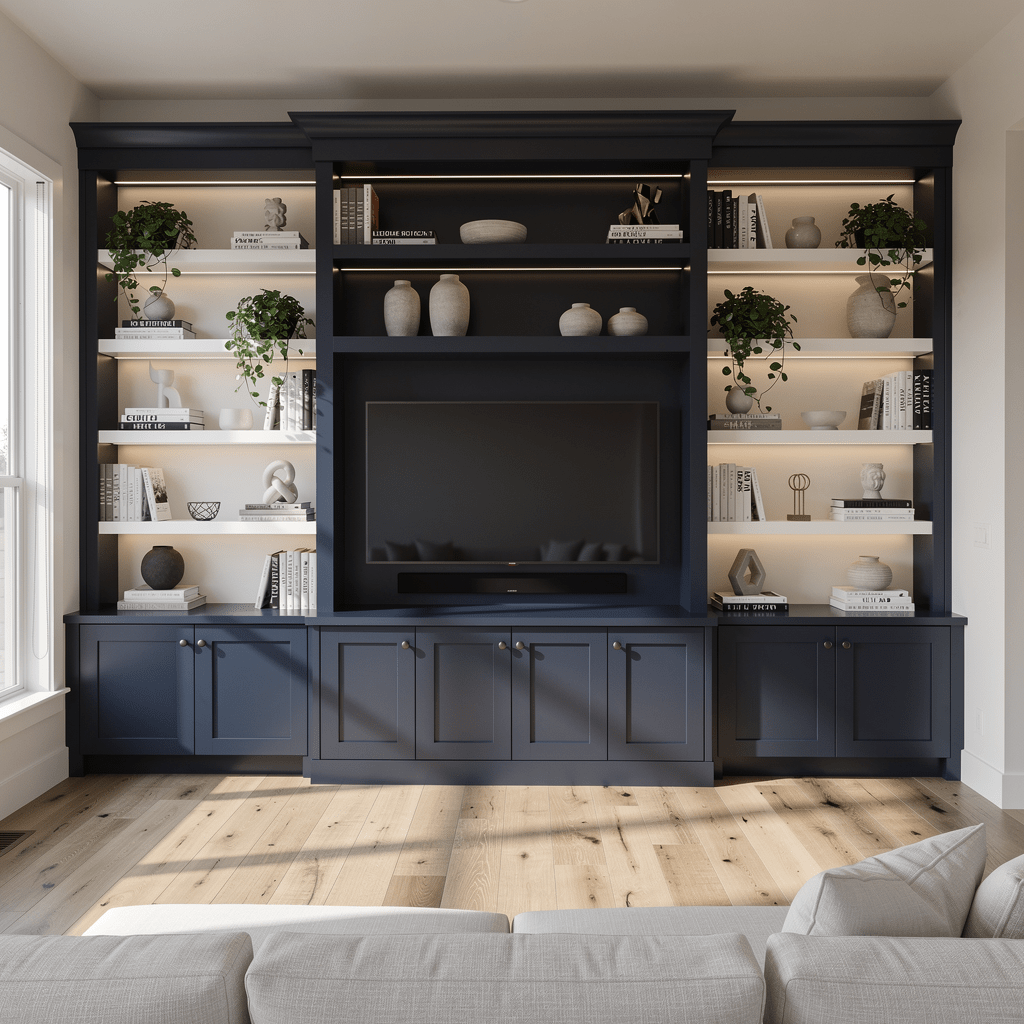
Walk into a house and you’ll notice the countertops, the flooring, the paint color. But what makes a house feel genuinely custom — feel finished, considered, and crafted — is almost always the carpentry. It’s the built-in bookcase that turns a dead wall into a showpiece. The coffered ceiling that makes a standard bedroom feel like a private retreat. The mudroom locker system that finally gives your family a place for everything. The wine cellar that turns an unused corner of the house into something extraordinary. Custom carpentry is the craft that separates a well-built house from a truly exceptional home. And in North Texas, where homeowners are building and renovating at a pace that shows no signs of slowing, demand for skilled custom carpentry work has never been higher. This guide covers what custom carpentry includes, what it costs in the Fort Worth and Azle area, and how to find a craftsman who’ll deliver work that lasts. What Is Custom Carpentry? (And What Sets It Apart From Standard Finish Work) Custom carpentry encompasses all the woodwork in a home that goes beyond the standard — the pieces that are designed and built specifically for a space, rather than purchased off the shelf and installed. This is distinct from standard finish carpentry (baseboards, door casings, window stools), though a skilled custom carpenter handles that work beautifully too. What separates custom carpentry is the design element: each piece is conceived for a specific room, a specific client, and a specific purpose. At Lawrence Construction Services, our custom carpentry work spans a wide range of projects — from wine cellars and garage conversions to built-in cabinetry, custom shelving, and architectural trim packages that transform new construction into something that feels fully finished and intentional. Common Custom Carpentry Projects in North Texas Homes Built-in bookshelves and entertainment centers One of the most requested custom carpentry projects in the Fort Worth area — a floor-to-ceiling built-in that integrates with a room’s architecture rather than sitting against it like a piece of furniture. Mudroom locker and storage systems Essential in Texas family homes. A properly designed mudroom system with individual lockers, bench seating, hooks, and upper cabinets solves the daily chaos of a busy household and adds genuine functional value. Coffered and tray ceilings Architectural ceiling treatments that transform the volume of a room. Coffered ceilings use a grid of recessed panels between exposed beams. Tray ceilings step up in layers, creating depth and visual interest. Both require skilled carpentry to execute cleanly. Wainscoting and board-and-batten Wall treatments that add texture, architectural detail, and visual weight to living rooms, dining rooms, offices, and primary bedrooms. Popular in both traditional and modern farmhouse interiors — two of the most dominant design aesthetics in North Texas. Custom cabinetry Kitchen, bathroom, laundry, and garage cabinetry built to your exact dimensions and specifications. Unlike stock or semi-custom cabinetry, true custom cabinetry fits the space perfectly, uses your chosen wood species and finish, and is built to last decades rather than years. Wine cellars and wet bars A growing category in Fort Worth-area custom homes. A properly designed wine cellar requires careful humidity and temperature control, specialized racking systems, and often a glass display wall or door to showcase the collection. Wet bars involve custom cabinetry, countertops, sink, refrigeration, and sometimes a back-bar mirror assembly. Home offices and libraries As remote work has become a permanent fixture of North Texas life, investment in dedicated, beautifully finished home offices has increased significantly. Floor-to-ceiling built-in shelving, custom desks with integrated cable management, and paneled walls are all in high demand. Garage conversions Converting a garage into finished living space — a home gym, home office, workshop, or bonus room — requires significant carpentry work: framing partition walls, installing doors and trim, building custom cabinetry or storage systems for the new use. This often intersects with ADU work. Staircase and railing upgrades Replacing a builder-grade staircase with custom open-riser treads, a statement railing system, or box newel posts dramatically changes a home’s feel. This is one of the highest-visibility upgrades possible in a two-story home. How Much Does Custom Carpentry Cost in Fort Worth, TX? Custom carpentry pricing depends heavily on the complexity of the design, the wood species and materials specified, and the scope of the project. Here are realistic ranges for common projects in the North Texas market: Project Typical Cost Range Built-in bookcase / entertainment center $3,000–$15,000+ Mudroom locker system (4–6 lockers) $4,000–$12,000 Coffered ceiling (average room) $3,500–$10,000 Wainscoting / board-and-batten (per room) $1,500–$5,000 Custom kitchen cabinetry (full kitchen) $15,000–$60,000+ Wine cellar (dedicated room) $20,000–$75,000+ Home office built-ins (full room) $5,000–$25,000 Staircase and railing upgrade $8,000–$30,000+ Garage conversion (basic finish) $15,000–$45,000 These ranges reflect labor and materials for installed, finished work. The high end of each range reflects complex designs, premium wood species (white oak, walnut, cherry), custom hardware, and built-in lighting or specialty features. What Drives Custom Carpentry Costs Up? Wood species selection. Poplar (the standard for painted built-ins) is significantly less expensive than stained hardwoods like white oak or walnut. If you’re painting, poplar is an excellent choice. If you want a natural wood grain finish, budget for premium species. Design complexity. A simple rectangular built-in with standard shelving is far less labor-intensive than a curved built-in with decorative pilasters, crown moulding, integrated lighting, and glass-front upper cabinets. Hardware. Cabinet hardware ranges from $3 per pull to $50+ per pull for premium European hardware. Soft-close hinges, full-extension drawer slides, and built-in electrical outlets and USB charging ports all add cost but add genuine daily-use value. Finishing. Painted finishes require primer, sanding, multiple paint coats, and careful masking — time-intensive work. Stained and sealed finishes require careful wood preparation and multiple protective coats. The finish phase is often 20–30% of the total project labor. The Difference Between Custom, Semi-Custom, and Stock Cabinetry If you’re planning a kitchen renovation or new home build, understanding these three tiers will help you make the right decision for your budget and expectations:
How to Build a Custom Home in North Texas: A Step-by-Step Guide for Fort Worth Area Homeowners
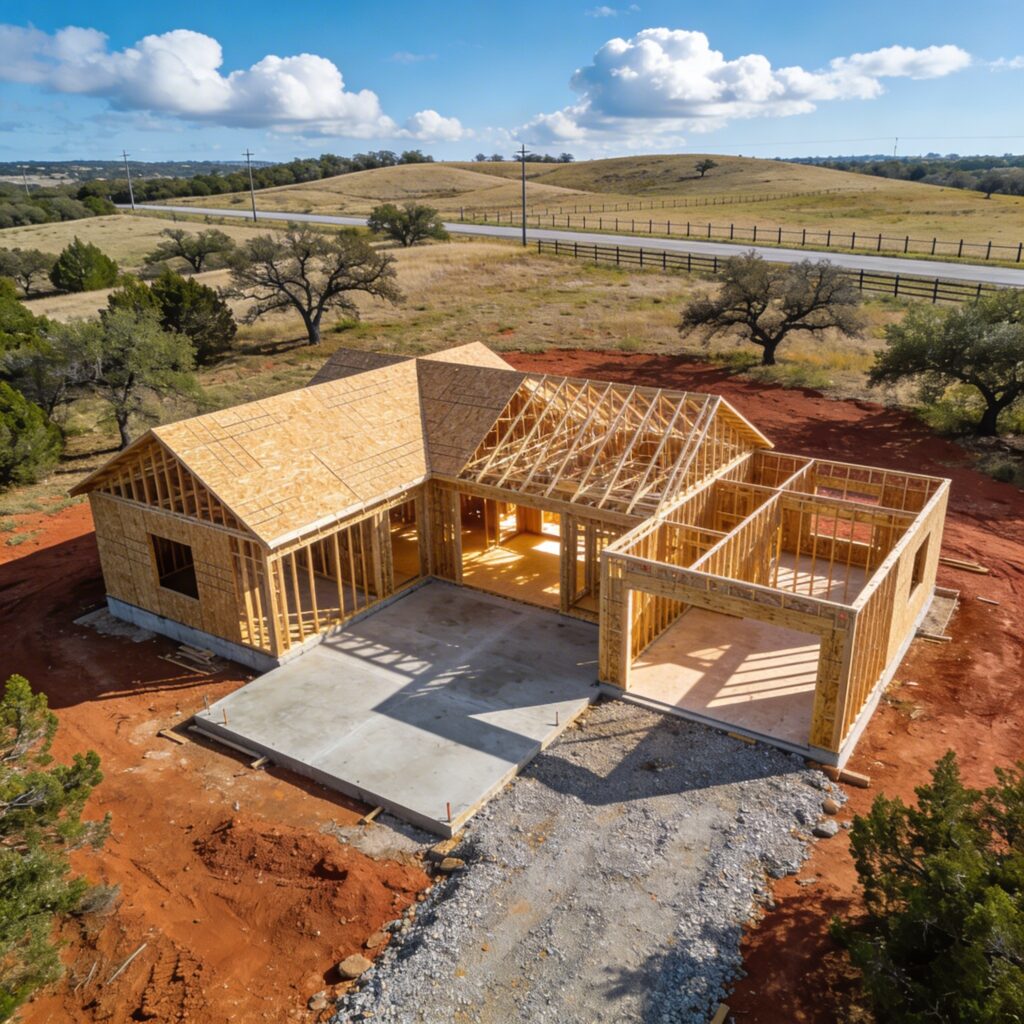
Building a custom home is one of the most significant decisions a family can make — and in North Texas, it’s also one of the most exciting. The land is here. The space is here. The lifestyle is here. What separates the families who successfully build the home they’ve always imagined from the ones who end up frustrated, over budget, and six months behind schedule? Almost always, it comes down to one thing: knowing the process before it starts. This guide walks you through every stage of building a custom home in the Fort Worth, Azle, and Tarrant County area — from raw land to move-in day — with the honest, practical detail that most builder websites skip. Why North Texas Is One of the Best Markets to Build a Custom Home Before we get into the process, it’s worth understanding why so many families are choosing to build rather than buy in the Fort Worth area right now. Inventory constraints. The existing home market in Tarrant County and surrounding counties remains competitive. Families who need a specific layout, specific acreage, or a specific location are finding that building gives them options the resale market simply can’t. Land availability. The corridor stretching from Azle through Springtown, Weatherford, Aledo, and into Parker and Hood counties still offers meaningful acreage at prices that make custom construction viable for a broad range of budgets. You can still find 5–10 acre tracts that are 30–40 minutes from Fort Worth — a combination increasingly rare in growing metros. Value retention. Custom homes in North Texas — particularly those with quality finishes, energy efficiency, and acreage — have historically held and appreciated their value well. The DFW metro’s sustained population growth continues to underpin real estate values throughout the region. Lifestyle alignment. North Texans want space, privacy, and the ability to build the way they want to live — large kitchens for entertaining, shops or garages for equipment and hobbies, outdoor living spaces that take advantage of the spring and fall seasons. A production home in a suburban subdivision rarely delivers all of this. A custom build can. Step 1: Define Your Vision and Budget Before You Do Anything Else The most common and costly mistake custom home builders make is starting the process backwards — falling in love with a piece of land, or hiring a contractor, before they’ve done the foundational work of defining what they want and what they can afford. Before you visit a single lot or meet with a single builder, get clear on: Your non-negotiables. Square footage range. Number of bedrooms and bathrooms. Must-have features (a shop, a pool, a guest suite, a specific kitchen layout). These form the core of your program and drive every design and budget decision. Your realistic budget — including contingency. A rule of thumb for custom home projects: build in a 10–15% contingency above your expected construction cost. Surprises happen — soil conditions, design changes, material price fluctuations. The families who struggle most are those who start at the absolute top of their budget with no room to move. Your financing approach. Custom homes are typically financed through construction loans, which work differently from standard mortgages. A construction-to-permanent loan funds the build in draws (payments to the contractor as work progresses) and then converts to a standard mortgage at completion. Talk to a lender experienced in construction financing early — their input will shape what’s realistic for your situation. Your timeline expectations. In the Fort Worth area, a complete custom home from permit approval to move-in typically takes 10 to 18 months, depending on size and complexity. Add 2–4 months for design and permitting, and you’re looking at a 12–22 month total timeline from the moment you start seriously planning. Step 2: Find the Right Land For many families, land selection happens before builder selection — and that’s fine, as long as you evaluate land the way a builder evaluates it, not just the way a buyer would. What to Check Before Buying Land in North Texas Soil conditions. This is critical in Tarrant County and Parker County. The expansive clay soils throughout North Texas can move significantly with moisture changes — causing foundation problems that are expensive to address after the fact. A geotechnical (soils) report before purchase gives you the information you need to size the foundation correctly and budget for it accurately. Utilities and services. Is the property on city water and sewer, or will you need a well and septic system? Electric service at the road, or will you need to extend it? Each of these additions carries real cost — rural utility extensions can run $5,000 to $30,000+ depending on distance. Flood zone status. North Texas experienced significant flooding in recent years. Check FEMA flood maps and understand whether any portion of your property sits in a floodplain. Building in a floodplain doesn’t disqualify a site, but it adds cost (elevated foundations, flood insurance) and should be factored into your decision. Access and easements. Verify the property has legal road access. Check for utility easements that may restrict where you can build. Review any deed restrictions or deed covenants — these are legally binding and can prohibit certain building types or land uses regardless of local zoning. Zoning and setbacks. Know your minimum setbacks from property lines, roads, and water features. These constraints determine how much of the lot is actually buildable — a 5-acre tract with extensive easements, steep topography, and large setbacks may have less usable building area than it appears. Step 3: Assemble Your Team A custom home requires a team. The team typically includes: A general contractor / custom home builder. This is your most important hire. Your GC manages the entire project — subcontractors, scheduling, inspections, material procurement, and quality control. The right GC is your partner and your advocate throughout the build. An architect or designer. Custom home plans can come from a licensed architect, a residential designer, or a design-build firm
Custom Pergola Cost & Design Guide for Fort Worth Homeowners: What to Expect Before You Build
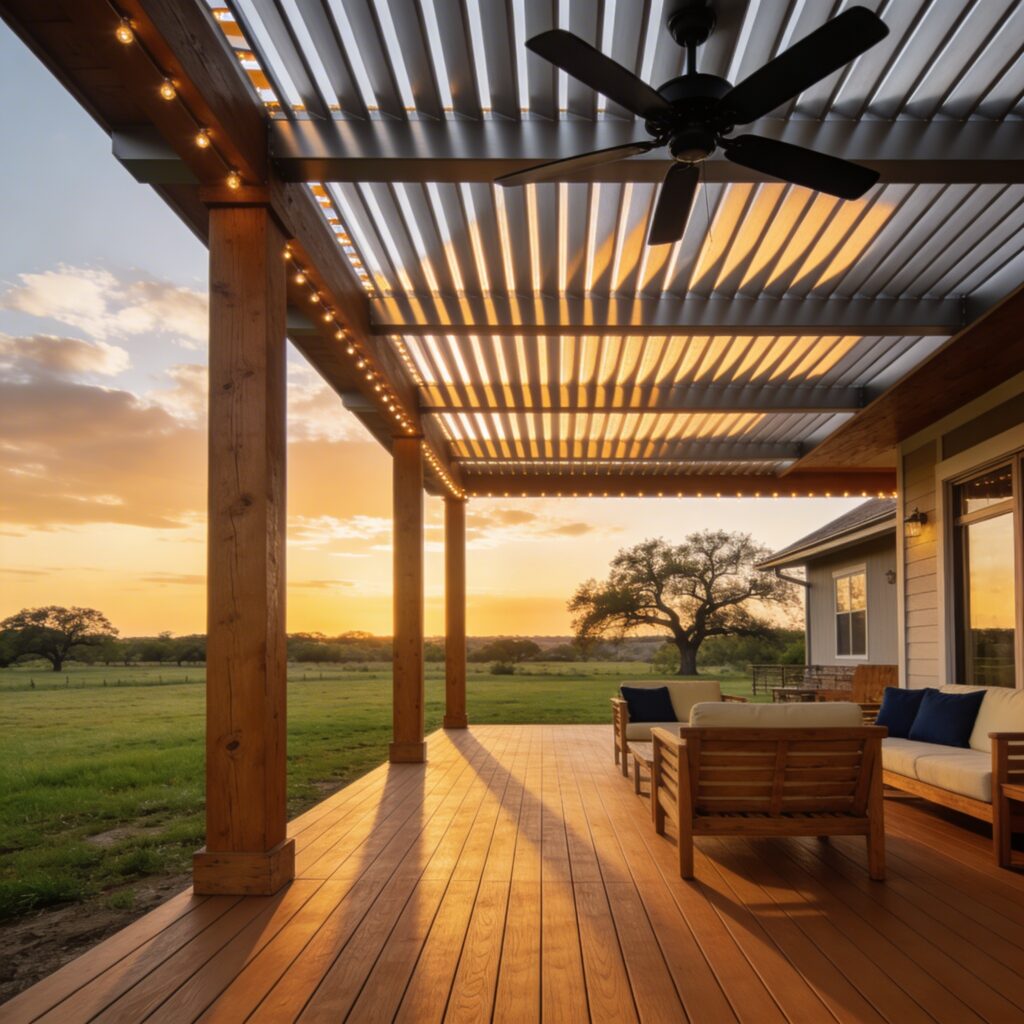
There’s a moment every North Texas homeowner knows — you’re standing in your backyard in late April, the weather is absolutely perfect, and you think: “We should be living out here.” Then July hits, and you remember exactly why you’re not. That gap between wanting to live outdoors and actually being able to do it comfortably is exactly what a well-designed custom pergola solves. Not the flimsy kit pergola from the big-box store that wobbles in a strong breeze — a real, custom-built pergola engineered for the Fort Worth climate, designed for your specific yard, and built to last decades. This guide covers everything North Texas homeowners need to know before they build: realistic costs, material comparisons, design options, what questions to ask your contractor, and how to make sure your pergola becomes the outdoor space you actually use. What Is a Pergola, and Why Does It Work So Well in North Texas? A pergola is an open-roof outdoor structure supported by posts, typically featuring a series of cross-beams and open lattice work overhead. Unlike a solid patio cover or a screened room, a pergola filters light rather than blocking it completely — creating dappled shade, defining outdoor space, and giving climbing plants (or string lights, ceiling fans, or retractable shades) something to live on. In North Texas, pergolas earn their keep because they solve the region’s specific outdoor problem: too much sun and heat for most of the year, but genuinely beautiful weather in spring and fall. A properly designed pergola with shade sails, louvered panels, or retractable canopies can extend your outdoor living season from 3 months to 7 or 8 months — a significant return on investment for any Fort Worth homeowner. They also photograph beautifully, add measurable value to your home, and create the kind of outdoor entertaining space that makes your house the gathering place for family and friends. How Much Does a Custom Pergola Cost in Fort Worth, TX? Let’s get to the number everyone wants first. Custom pergola costs in the North Texas market vary widely based on size, material, and features — but here are realistic ranges Fort Worth homeowners should plan around in 2025–2026: Pergola Type Typical Size Estimated Cost Range Freestanding, basic wood 12×12 ft $5,000–$10,000 Attached, cedar or pressure treated 16×20 ft $10,000–$20,000 Freestanding, composite/aluminum 16×20 ft $15,000–$30,000 Custom luxury (louvered, motorized) 20×24 ft $30,000–$60,000+ Full outdoor room with pergola 20×30 ft $50,000–$100,000+ These ranges reflect the complete installed cost — posts, footings, framing, decking or patio surface underneath, and basic electrical for lighting. They do not include optional features like outdoor kitchens, fire features, ceiling fans, retractable canopies, or outdoor audio. What Drives Pergola Costs Up or Down? Material selection is the single biggest cost variable. Cedar, pressure-treated pine, composite, aluminum, and vinyl all perform differently in Texas heat and all carry different price tags — more on this in the next section. Size and height directly impact material costs and labor. A 10×10 pergola uses a fraction of the materials of a 20×24 structure, and taller posts (10–12 feet vs. standard 8-foot) add both material and labor costs. Attachment type matters too. An attached pergola (connected to your home’s roofline or wall) requires flashing, ledger board installation, and structural coordination with your home’s existing framing. Freestanding structures are simpler to install but need their own footings. Footing depth in Tarrant County is determined by frost depth requirements and soil conditions. The expansive clay soils throughout North Texas often require deeper or wider footings than other regions — your contractor should account for this in their bid. Electrical and lighting add $1,500–$5,000+ depending on how many circuits, outlets, and fixtures you’re installing. Running electrical to a freestanding pergola in the middle of the yard requires trenching — budget accordingly. Pergola Materials: Which One Is Right for North Texas? This decision shapes everything: how your pergola looks, how it holds up to Texas weather, how much maintenance it demands, and what it ultimately costs over its lifetime. Here’s a clear-eyed comparison for Fort Worth homeowners: Cedar and Redwood Best for: Homeowners who love the natural wood aesthetic and are willing to maintain it. Cedar and redwood are beautiful, naturally resistant to rot and insects, and relatively easy to work with. In North Texas’s climate, however, they require annual sealing or staining to maintain their appearance and structural integrity. Left untreated, cedar will gray and crack faster in the Texas sun than in cooler climates. A cedar pergola built correctly and maintained diligently can last 15–25 years. Skip the maintenance, and you’re looking at replacement much sooner. Pressure-Treated Pine Best for: Budget-conscious builds where longevity is more important than aesthetics. Pressure-treated lumber is the workhorse of outdoor construction — more affordable than cedar, widely available, and highly rot-resistant. The downsides: it’s heavier, harder to finish with paint or stain, and has a more industrial look. For pergola beams and structural posts that will be partially hidden, PT lumber is a practical choice. For exposed decorative elements, most homeowners prefer cedar or composite alternatives. Composite and PVC Decking Materials Best for: Low-maintenance pergola decking surfaces and accent elements. If your pergola sits over a composite deck, using matching composite materials for the pergola’s decking surface creates a cohesive, integrated look. Products like TimberTech by AZEK offer exceptional fade, stain, and moisture resistance — important qualities given North Texas rainfall patterns and UV intensity. As a TimberTech certified partner, Lawrence Construction Services supplies and installs these products at contractor pricing, giving our clients access to premium materials without the retail markup. Aluminum and Steel Best for: Maximum durability, modern aesthetics, and minimal maintenance. Powder-coated aluminum pergola systems have become increasingly popular in the Fort Worth area for good reason: they don’t rot, warp, crack, or require painting. They handle Texas hail without denting. And modern aluminum pergola systems — especially louvered models — have a clean, architectural look that works beautifully with contemporary homes. The trade-off is cost: quality aluminum pergola
How Much Does a Barndominium Cost to Build in Texas? A North Texas Builder’s Complete Guide
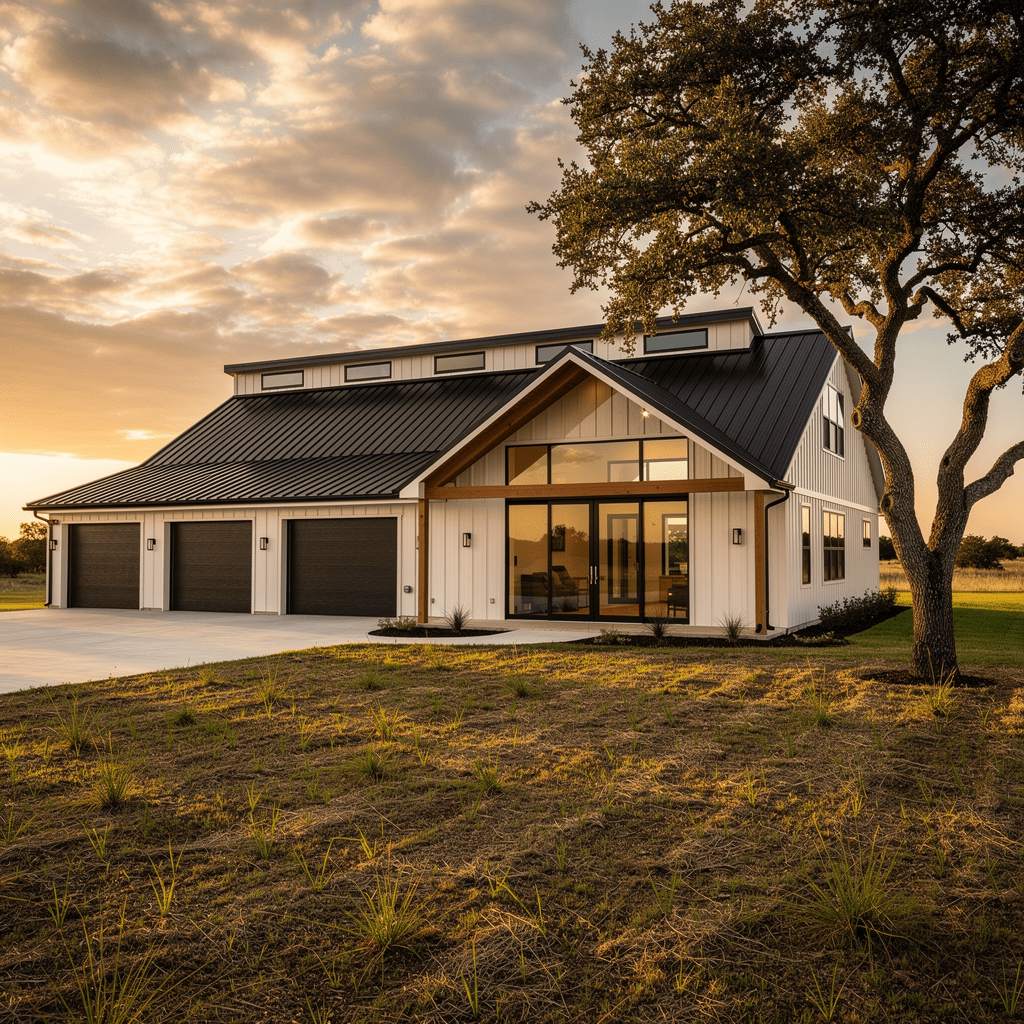
If you’ve been scrolling through real estate listings in Azle, Weatherford, or anywhere in the Fort Worth area lately, you’ve probably noticed something: barndominiums are everywhere — and for good reason. What started as a niche rural building trend has exploded into one of the most searched construction topics in all of Texas, and North Texas homeowners are leading the charge. But what does it actually cost to build one? What should you expect from the process? And how do you know if a barndominium is the right fit for your land, your lifestyle, and your budget? This guide breaks down everything a North Texas homeowner needs to know before breaking ground — from realistic cost ranges to what separates a well-built barndominium from one that’ll give you headaches for years. What Is a Barndominium? A barndominium (or “barndo,” as they’re commonly called in Texas) is a residential structure built on a steel post-frame or metal building shell, finished on the inside to function as a full-time home. The name is a portmanteau of “barn” and “condominium,” but don’t let that fool you — modern barndominiums in North Texas are anything but rustic shacks. Today’s barndominiums can include: What makes barndominiums especially appealing to Texas homeowners is the combination of durability, square footage, and cost efficiency — at least when the build is managed correctly. How Much Does a Barndominium Cost in Texas? This is the question everyone leads with, and the honest answer is: it depends. But here are the real numbers North Texas homeowners should plan around: Cost Per Square Foot in the Fort Worth / Tarrant County Area Build Stage Estimated Cost Range (per sq ft) Shell only (steel frame, roof, exterior walls, windows/doors) $25–$45/sq ft Turnkey, basic finishes (livable but builder-grade) $100–$150/sq ft Turnkey, mid-range finishes $150–$200/sq ft Turnkey, custom/luxury finishes $200–$300+/sq ft For context, a 2,000 square foot barndominium with mid-range finishes in the North Texas market will typically run between $300,000 and $400,000 — including the slab foundation, framing, insulation, mechanical systems, and interior finishes. What Drives the Cost Up or Down? Several factors significantly impact your final barndominium price in Tarrant County and the surrounding area: Land and Site Prep If you already own land, you’re ahead. If not, rural land in the Azle, Springtown, and Weatherford corridor has been appreciating steadily. Site prep — including clearing, grading, utilities, and septic (if applicable) — can add $15,000 to $50,000 before a single piece of steel goes up. Foundation Type Most barndominiums in North Texas are built on a reinforced concrete slab. Given the expansive clay soils common throughout Tarrant County, post-tension slabs are often recommended, which adds cost but is absolutely worth it for long-term stability. Steel vs. Wood Framing True post-frame metal buildings form the structural shell of most barndominiums. The steel kit itself (columns, roof purlins, metal panels, trim) can range from $20,000 to $80,000+ depending on size, roof pitch, and manufacturer. Insulation This is where many budget barndominiums go wrong. Metal buildings conduct heat and cold — North Texas summers will cook an under-insulated barndo. Closed-cell spray foam insulation is the gold standard and runs $2–$4 per square foot applied, but it pays for itself quickly in energy savings and comfort. Interior Finishes This is the biggest variable. A barndominium with LVP flooring, quartz countertops, custom cabinetry, and a walk-in master suite closet will cost significantly more than the same square footage with builder-grade finishes. The good news: you can often phase the finish work over time and prioritize what matters most to you. Barndominium vs. Traditional Custom Home: How Do They Compare? One of the most common questions we hear at Lawrence Construction Services: “Is a barndominium actually cheaper than a traditional stick-built custom home?” The honest answer: sometimes, but not always. Here’s how they compare across the metrics that matter most to North Texas homeowners: Factor Barndominium Traditional Custom Home Cost per sq ft (finished) $100–$250+ $150–$300+ Build timeline 6–12 months 8–18 months Durability Excellent (steel frame) Good (wood frame) Energy efficiency Excellent (with spray foam) Good Resale value Strong in rural TX markets Strong in suburban markets HOA compatibility Challenging in many subdivisions Generally compatible Design flexibility High (open spans, tall ceilings) High (traditional layouts) Financing Available (can be more complex) Standard mortgage products The barndominium’s biggest advantages are speed, open-plan flexibility, and durability in Texas weather conditions (hail, heat, high winds). Traditional custom homes have advantages in established neighborhoods, HOA-governed communities, and conventional financing. For homeowners deciding between expanding their current property vs. building new, our guide on ADU options and garage conversions for North Texas homeowners covers the alternative if a full custom build isn’t the right fit right now. What’s Included in a Full Barndominium Build? When you hire a general contractor for a complete barndominium build in North Texas, here’s what a comprehensive scope typically includes: Site Work & Foundation Structural Shell Rough-In Systems Interior Finish Final Systems & Site This is why working with an experienced general contractor who manages all subcontractors is so important — the coordination complexity is significant, and gaps in the schedule or scope can cost you months and thousands of dollars. You can see examples of our completed work in the Lawrence Construction Services project gallery. Permits and Regulations for Barndominiums in Tarrant County Barndominiums are not a regulatory gray area in Texas — they require full residential building permits just like any other home. Here’s what North Texas homeowners need to navigate: In Azle City Limits: Building permits are issued through the City of Azle’s Building Department. You’ll need architectural drawings, a structural engineering letter for the steel frame, and mechanical/plumbing/electrical permits in addition to the main building permit. In Tarrant County (outside city limits): Tarrant County does not enforce a residential building code for unincorporated areas. However, this does NOT mean you can build without oversight — lenders and insurance companies still require code compliance, and septic systems require permits through the county. ETJ
Tired of Maintaining Your Wood Deck? Why North Texas Homeowners Are Switching to Composite

If you own a wood deck in the Fort Worth or Azle area, you already know the routine. Every spring you are out there sanding, cleaning, staining, and sealing. A few years later, you are replacing warped boards, hammering down popped nails, and dealing with splinters that make barefoot walks a hazard. You do everything right, and the Texas sun still wins. You are not alone. Across North Texas, homeowners who invested in wood decks are discovering that the ongoing cost of maintenance, repairs, and premature replacement often exceeds what they originally paid to build the deck. That reality is driving a massive shift toward composite and PVC decking products that eliminate the cycle of wood deck maintenance entirely. Here is an honest look at what wood decks actually cost to maintain in the Texas climate, why so many homeowners are making the switch, and what the upgrade path looks like. The Real Cost of Owning Wood Decks in North Texas The sticker price of wood decks is appealing. Pressure-treated pine is one of the least expensive decking materials on the market, and even premium wood species like cedar cost less per square foot upfront than composite alternatives. That initial savings is what draws most homeowners to wood in the first place. But the purchase price is only the beginning of what wood decks actually cost. The North Texas climate is uniquely punishing to wood. Summer surface temperatures on a deck in direct sun regularly exceed 130 degrees. UV radiation breaks down wood fibers and destroys stain coatings. Spring thunderstorms saturate the wood, and then summer heat bakes the moisture out, creating a constant expansion and contraction cycle that cracks, warps, and cups boards over time. Add humidity-driven mold growth and the ever-present risk of subterranean termites, and wood decks in our area face challenges that homeowners in milder climates never deal with. Here is what the ongoing maintenance cycle looks like for a typical 400-square-foot wood deck in the Fort Worth area. Annual cleaning runs $150 to $300 if you hire it out, or a full weekend of your time if you do it yourself. Staining and sealing every 1 to 3 years costs $400 to $1,200 per application for professional work, or $100 to $300 in materials plus another full weekend of labor for a DIY job. Board replacements for warped, cracked, or rotted sections average $200 to $800 per repair. Over 15 years, the typical wood deck owner in North Texas spends $5,000 to $12,000 on maintenance alone, not including the hours of personal time invested. When you add that maintenance cost to the original construction price, the total cost of owning wood decks in our climate often approaches or exceeds what a composite deck would have cost from day one, with none of the hassle. Why Wood Decks Fail Faster in the Texas Climate Understanding why wood decks deteriorate so quickly in North Texas helps explain why maintenance feels like a losing battle. It is not that wood is a bad material. It is that our specific climate conditions attack wood from multiple angles simultaneously. UV degradation is the primary enemy. North Texas receives intense, direct sunlight for 8 to 10 months of the year. UV rays break down lignin, the natural binder that holds wood fibers together. Once lignin degrades, the wood turns gray, becomes brittle, and loses structural integrity at the surface. Stain and sealant slow this process but cannot stop it entirely, which is why re-application every 1 to 3 years is necessary. Moisture cycling compounds the UV damage. Wood absorbs water when it rains and releases it when conditions dry out. In North Texas, where we can go from a 3-inch downpour to 100-degree sunshine in the same week, this cycling is extreme. Each cycle causes the wood to expand and contract, opening grain cracks that allow more water penetration, which accelerates rot and creates entry points for mold and insects. Insect activity is a year-round concern. Subterranean termites are active throughout the Fort Worth area in every season, and they target the moisture-damaged wood that is common on aging decks. By the time most homeowners discover termite damage on their deck, structural components have already been compromised. Hail and severe weather deliver physical damage that no amount of staining can prevent. North Texas averages multiple significant hail events per year, and a single severe storm can dent, crack, and scar wood deck boards beyond what normal maintenance can repair. What Composite and PVC Decking Actually Offers Composite and PVC decking products were specifically engineered to solve the problems that make wood decks so demanding. Modern composite boards are made from a combination of wood fibers and plastic polymers, wrapped in a protective cap that resists UV, moisture, mold, insects, and physical damage. PVC decking takes it a step further by eliminating wood fibers entirely, creating a fully synthetic product with even greater moisture resistance. The maintenance difference is dramatic. Composite and PVC decks never need staining, sealing, sanding, or painting. Cleaning requires only soap, water, and a soft-bristle brush a few times per year. There are no boards to replace from warping or cracking, no splinters, no mold penetrating the surface, and no appeal to termites. As a stocking dealer of TimberTech by AZEK, Lawrence Construction Services provides North Texas homeowners with access to premium composite and PVC decking products built specifically for demanding climates. TimberTech composite decking carries warranties of 25 to 30 years, while their PVC decking lines are backed by a 50-year warranty. For detailed product specifications and warranty information, visit TimberTech’s official product resource center. How Composite Decking Performs Against Wood in North Texas Conditions The performance gap between wood decks and composite decking in the Texas climate is significant across every measure that matters to homeowners. Heat performance: One common concern about composite decking is surface temperature. Premium products like TimberTech have addressed this directly. Their PVC and composite boards are engineered to stay up