Blog

Backyard Guest House in Fort Worth: What It Costs, What’s Allowed, and How to Build One You’ll Actually Love

Vinyl Siding vs. Fiber Cement vs. LP SmartSide: The North Texas Homeowner’s Complete Exterior Cladding Guide

Custom Carpentry in Fort Worth: How Built-Ins, Trim Work, and Custom Woodwork Transform a North Texas Home

How to Build a Custom Home in North Texas: A Step-by-Step Guide for Fort Worth Area Homeowners

Custom Pergola Cost & Design Guide for Fort Worth Homeowners: What to Expect Before You Build

How Much Does a Barndominium Cost to Build in Texas? A North Texas Builder’s Complete Guide

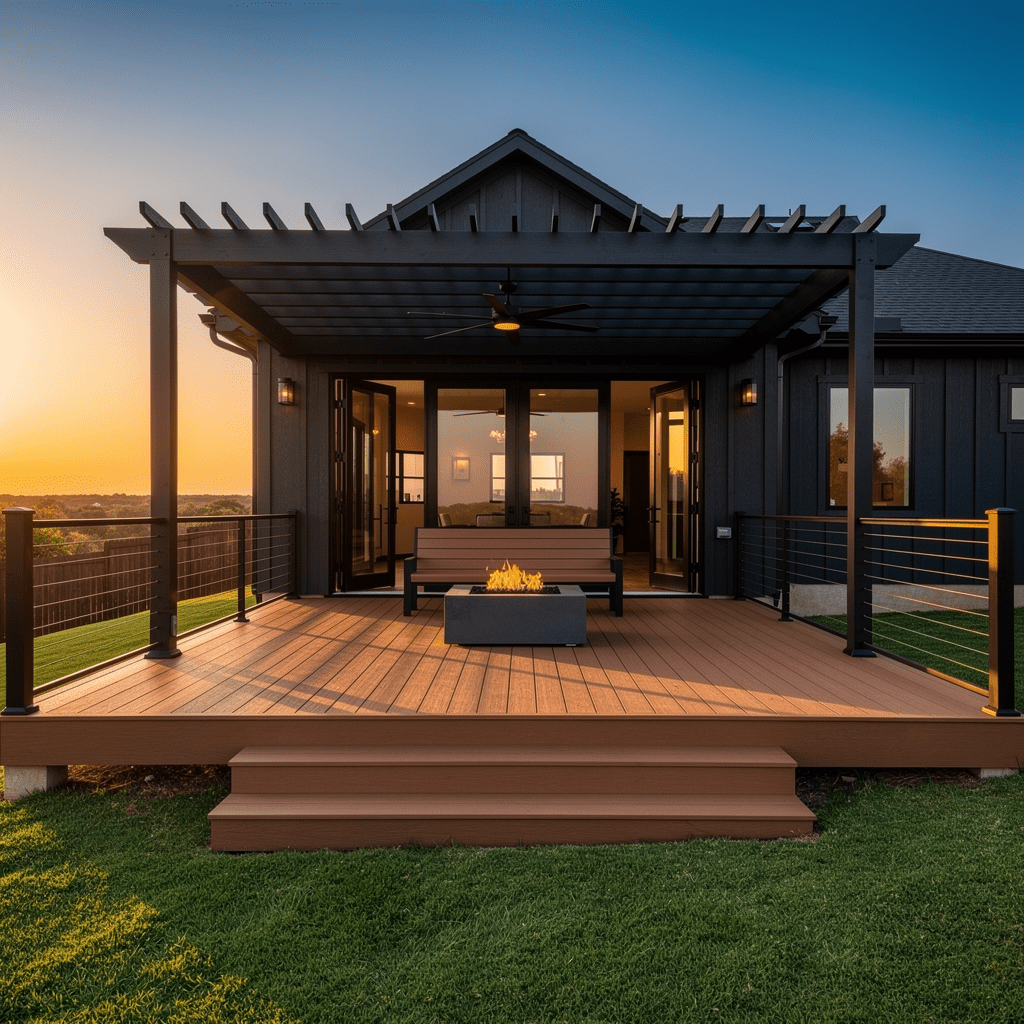
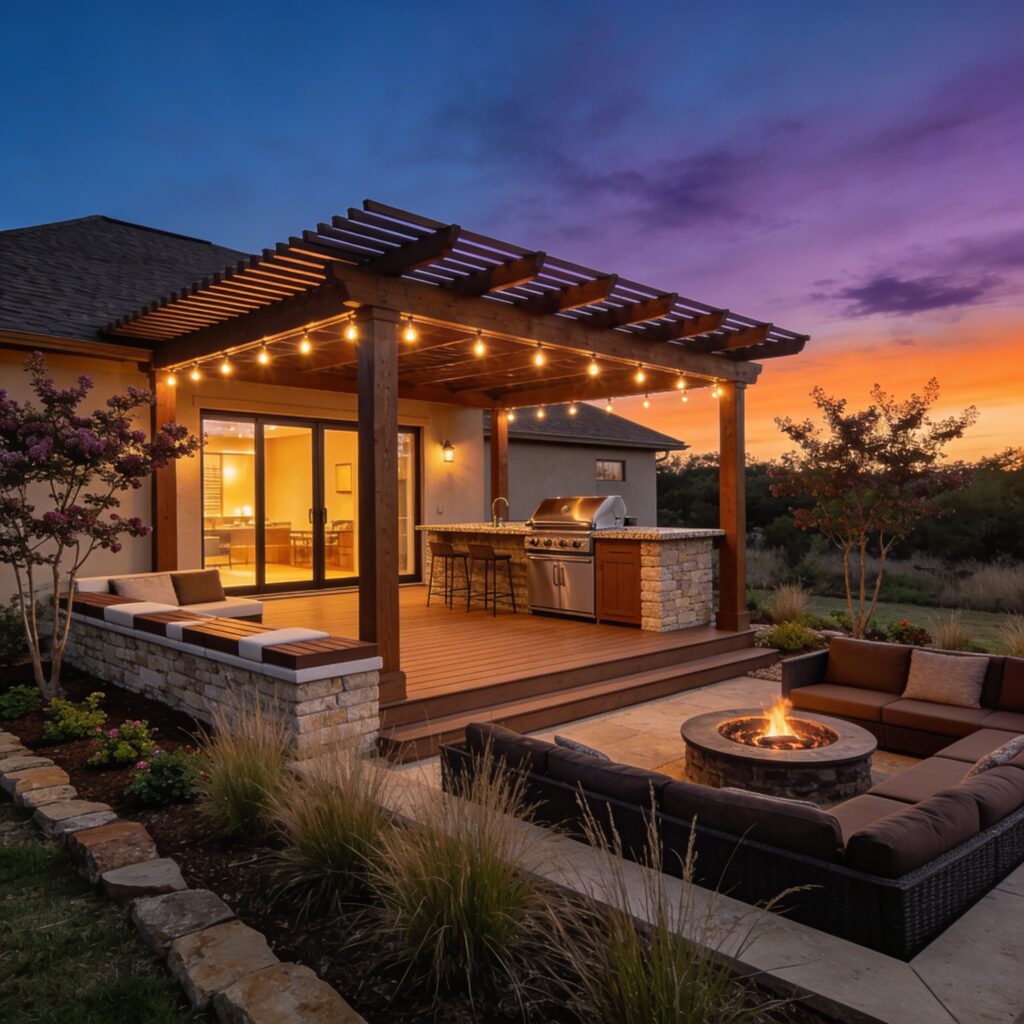
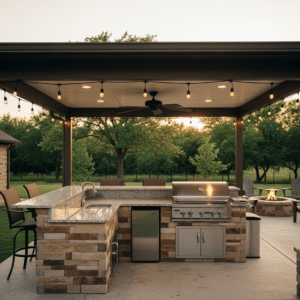
Outdoor living space with covered patio, string lights, and fire pit for winter entertaining in Azle Texas

How to Maximize Your Outdoor Living Space for Texas Winter Gatherings

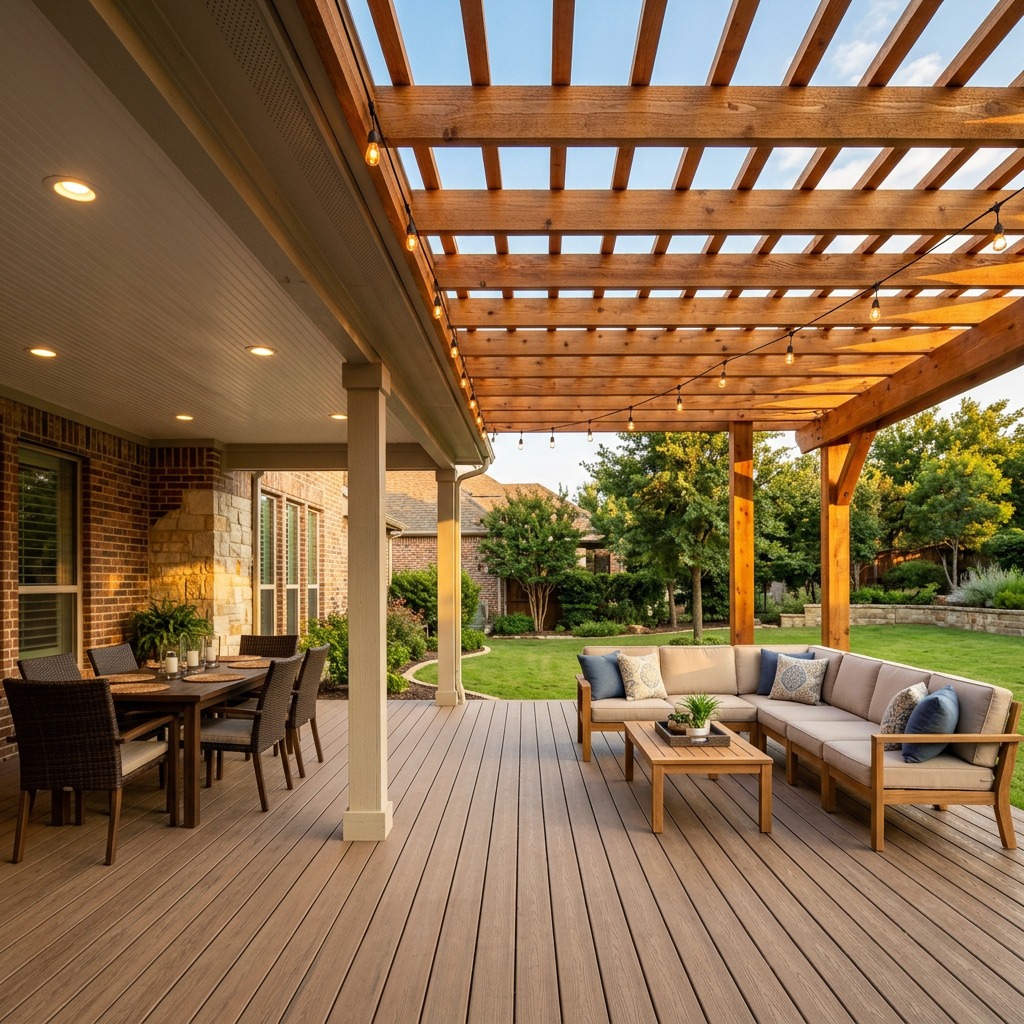
When most people think about outdoor entertaining, they picture summer barbecues and pool parties. But if you’re a homeowner in Azle or the surrounding North Texas area, you know that our mild winters offer some of the best opportunities for outdoor gatherings. While our neighbors up north are bundled indoors, we’re enjoying comfortable 50-60 degree days—perfect weather for holiday parties, family get-togethers, and cozy evenings around the fire pit. The key to making the most of your outdoor space during the cooler months is strategic planning. With the right combination of structure, heating, lighting, and design, your deck, patio, or pergola can become the most popular spot in your home from December through February. Let’s explore how to transform your outdoor living area into a year-round entertainment destination that your family and guests will love. Why Texas Winters Are Perfect for Outdoor Living North Texas has a significant advantage when it comes to outdoor living: our winter weather is remarkably cooperative. Unlike much of the country, we rarely face extended periods of freezing temperatures or snow. December through February in the Azle area typically brings: This means your outdoor investment isn’t just for three months of summer use—it’s a genuine year-round asset that extends your home’s functional living space. Many Azle homeowners actually prefer entertaining outdoors during the cooler months because guests are more comfortable without the intense Texas heat and humidity. Covered Structures: Your Foundation for Winter Outdoor Living The single most important element for winter outdoor entertaining is overhead coverage. While uncovered decks work fine in summer, a roof or pergola makes all the difference when temperatures drop and weather becomes less predictable. Covered Patios and Pergolas A well-designed covered patio or pergola serves multiple purposes in winter. It protects your furniture and guests from unexpected rain showers, helps retain heat from patio heaters, provides a defined “room” feeling that makes the space more inviting in cooler weather, and creates opportunities for hanging lights and heaters from structural beams. For North Texas winters, consider a solid roof over an open lattice design for your main gathering area. While pergolas with open lattice work beautifully for filtered shade in summer, a solid roof section provides better protection and heat retention when temperatures drop. Many Azle homeowners opt for a combination design: a solid-roofed section for the dining or seating area, with open pergola extensions that maintain that outdoor feel. Screened Porches and Three-Season Rooms If you’re serious about year-round outdoor living, a screened porch or three-season room takes things to the next level. These semi-enclosed spaces offer protection from wind and light rain while maintaining that outdoor ambiance. They’re particularly valuable in North Texas where we deal with occasional winter winds that can make even mild temperatures feel much colder. The beauty of a three-season room is versatility: fully open in spring and fall, screened against bugs in summer, and enclosed with clear vinyl panels or windows in winter. This flexibility means you’re not sacrificing functionality across seasons. Outdoor Living Heating Solutions That Actually Work in Texas You don’t need expensive commercial-grade heating systems to make your outdoor space comfortable during Azle winters. Because our temperatures rarely drop below freezing for extended periods, strategic heating placement can keep your space comfortable without breaking the bank on energy costs. Propane Patio Heaters Standing propane heaters are the workhorse of outdoor winter heating in North Texas. These provide a 15-20 foot radius of comfortable warmth and can be moved around as needed. For a typical 12×16 foot covered patio, two strategically placed propane heaters will keep the space comfortable down to about 40°F. The key is placement: position heaters near seating areas rather than in the middle of open space, and always place them under covered areas where heat can be retained rather than immediately dissipating into the open air. Mounted Infrared Heaters If you have a pergola or covered patio with structural beams, ceiling-mounted infrared heaters offer a cleaner, more permanent solution. These electric heaters provide direct radiant heat similar to the sun—they warm people and objects rather than trying to heat the air. This makes them surprisingly efficient for outdoor use. Infrared heaters are ideal for North Texas outdoor living because they’re not affected by wind, they provide instant heat with the flip of a switch, require no refueling like propane heaters, and can be positioned exactly where you need warmth. Fire Pits and Fireplaces Nothing creates outdoor living ambiance quite like an open flame, and fire features serve double duty as both heat sources and gathering focal points. For Texas winters, you have several options: A fire pit creates a natural gathering point that encourages guests to linger outdoors even as temperatures drop. Position seating in a circle or semi-circle around the fire for maximum warmth and social interaction. Lighting Design for Winter Evenings Winter means earlier sunsets—often before 6 PM during December and January in North Texas. That means lighting becomes crucial for evening entertaining. The right lighting strategy doesn’t just provide visibility; it creates ambiance and extends usable hours well into the night. Layered Lighting Approach Professional designers use a layered approach combining three types of lighting: Ambient lighting provides overall illumination for the space. This includes string lights, pendant fixtures hung from pergola beams, or recessed lighting in solid roof sections. For winter entertaining, warm white bulbs (2700-3000K) create a cozy, inviting atmosphere that complements the season. Task lighting focuses on specific areas where people need to see what they’re doing—cooking areas, dining tables, or bar surfaces. Under-counter LED strips, focused pendant lights, or adjustable track lighting work well here. Accent lighting adds drama and visual interest by highlighting architectural features, landscaping, or creating depth. Uplights on columns, spotlights on textured walls, or low-voltage path lights create layers that make the space feel more sophisticated. String Lights: The Winter Outdoor Essential String lights have become ubiquitous in outdoor living spaces for good reason—they’re affordable, easy to install, and create instant warmth and ambiance. For

Read More »
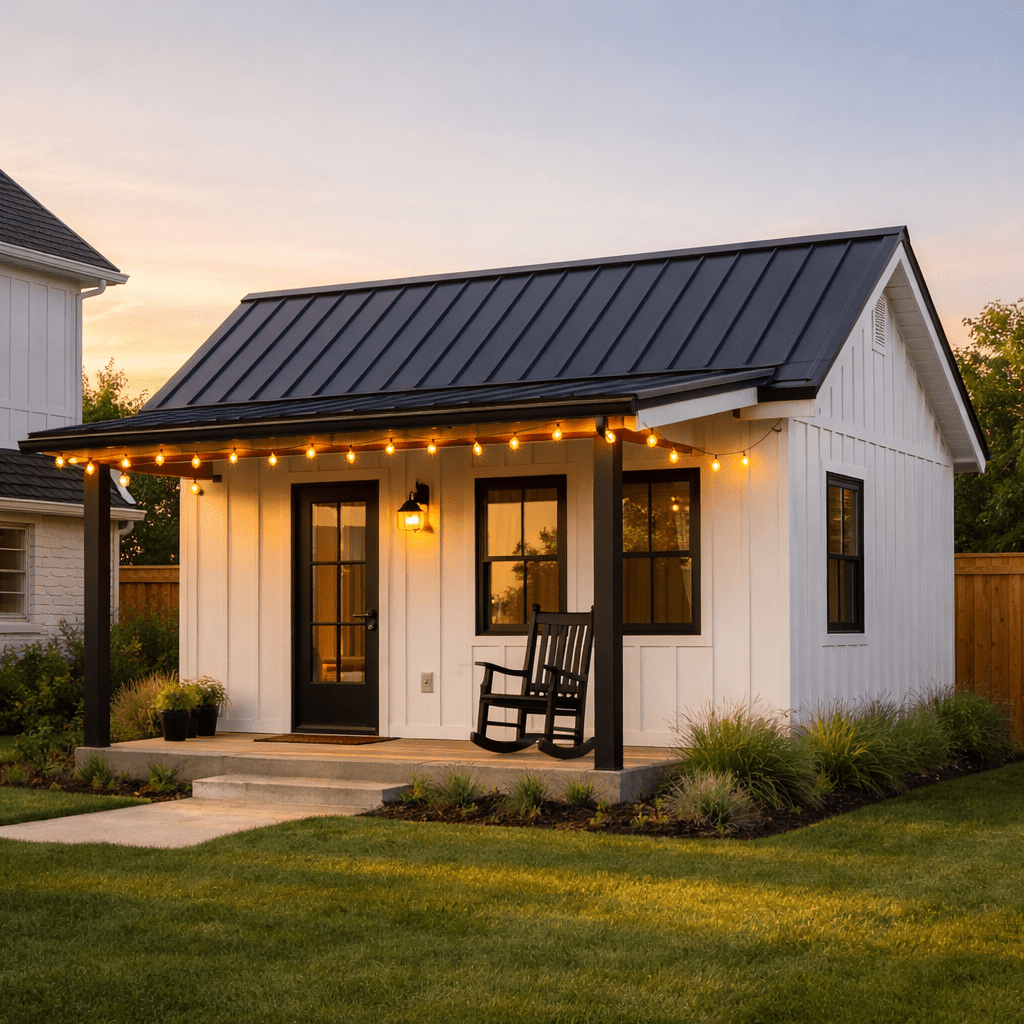
ADU and garage conversion comparison for Azle Texas homes showing backyard tiny home and converted garage structure

Should You Build an ADU or Convert Your Garage? A Texas Homeowner’s Guide

If you’re a homeowner in Azle, Fort Worth, or anywhere in the North Texas area, you’ve probably noticed the growing trend of accessory dwelling units (ADUs) and garage conversions. With rising housing costs, multigenerational living becoming more common, and the increasing popularity of remote work, many Texas families are looking for ways to add functional living space without the expense and hassle of moving. But here’s the question that stumps most homeowners: should you build a brand-new ADU on your property, or convert your existing garage into livable space? Both options can add significant value to your Azle home, but they serve different purposes, come with different costs, and face different regulatory hurdles here in Texas. Let’s break down everything you need to know to make the right choice for your property and your family’s needs. What Exactly Is an ADU? An accessory dwelling unit (ADU) is a secondary living space on your property that includes its own kitchen, bathroom, and sleeping area. Think of it as a small, self-contained home that shares the same lot as your primary residence. In Texas, these are sometimes called “granny flats,” “in-law suites,” “backyard cottages,” or “tiny homes.” ADUs can be detached structures in your backyard, attached to your main house, or even built above your garage. The key characteristic is that they function as a complete, independent living space. What’s Involved in a Garage Conversion? A garage conversion transforms your existing garage into finished, climate-controlled living space. Unlike an ADU, a garage conversion may or may not include a full kitchen and bathroom—it depends on your intended use and local building codes. Common garage conversion projects in the Azle area include home offices, guest suites, hobby rooms, home gyms, additional bedrooms, or rental units. The big advantage? You’re working with an existing structure, which often means lower costs and faster completion. Comparing Costs: ADU vs. Garage Conversion in North Texas ADU Construction Costs: Building a new ADU in the Azle and Fort Worth area typically ranges from $100,000 to $200,000+ depending on size, finishes, and site conditions. A typical 400-600 square foot ADU will cost between $150-$300 per square foot when you factor in foundation, framing, utilities, HVAC, plumbing, electrical, and finishes. Because you’re building from the ground up, you’ll also need to account for site preparation, utility connections, and potentially septic or sewer tap fees depending on your property’s location. Garage Conversion Costs: Converting an existing two-car garage in North Texas generally costs between $15,000 and $50,000, depending on the scope of work. Basic conversions (adding insulation, drywall, flooring, and HVAC) fall on the lower end, while full conversions with kitchen and bathroom additions approach the higher end. The cost advantage is significant because you already have four walls, a roof, and a foundation. However, if your garage has structural issues, foundation problems, or requires significant upgrades to meet residential building codes, costs can climb quickly. Permitting and Regulations: What You Need to Know in Azle, TX Here’s where many homeowners get surprised: both ADUs and garage conversions require permits in most Texas municipalities, and the rules can vary significantly by location. For ADUs in the Azle area, you’ll typically need to navigate: For garage conversions, you’ll generally need: One important consideration for Azle homeowners: Tarrant County and individual municipalities have different requirements, so it’s essential to work with a contractor familiar with local regulations. You can find more information about local building codes and permit requirements through the Tarrant County Building Inspection office. Working with an experienced general contractor who understands North Texas building codes can save you significant time and headaches. Which Option Adds More Value to Your Azle Home? Real estate value is always a key consideration for Texas homeowners, and both options can increase your property’s worth—but in different ways. ADUs typically add more resale value because they’re a completely separate living unit. Studies show that ADUs can increase property values by 20-30% in markets where they’re desirable. In the North Texas market, where housing demand remains strong, a well-built ADU can be a significant selling point. Potential buyers see the opportunity for rental income, multigenerational living, or a home office separate from the main house. Garage conversions add functional square footage, which also increases value, but they come with a trade-off: you lose garage parking and storage. In suburban Texas communities like Azle, where most families have multiple vehicles, losing a two-car garage can be a drawback for some buyers. However, if you convert the garage into a highly desirable space (like a luxurious primary suite or a professional home office), the value gain can offset the loss of parking. The bottom line: If maximizing resale value is your primary goal and you have the budget, an ADU is usually the better long-term investment. If you need functional space now and want to keep costs reasonable, a garage conversion might be the smarter choice. Space Requirements and Property Considerations Not every property is suitable for both options. Here’s what you need to consider for your Azle property: For building an ADU, you need: For a garage conversion, you need: Some older garages in North Texas were built with minimal foundations or have settled over time. Before committing to a conversion, it’s worth having a contractor assess whether your garage structure is suitable for residential use. Best Uses: When an ADU Makes More Sense An ADU is typically the better choice when you need: Azle families often choose ADUs when they have larger properties with room to build and want the flexibility of a truly independent space that can serve multiple purposes over time. Best Uses: When a Garage Conversion Makes More Sense A garage conversion is often the better choice when you need: Many Azle homeowners choose garage conversions when they’re working with a tighter budget or timeline, or when their property doesn’t have space for a separate structure. Timeline: How Long Does Each Project Take? ADU construction timeline in North Texas typically runs 4-8

Read More »